
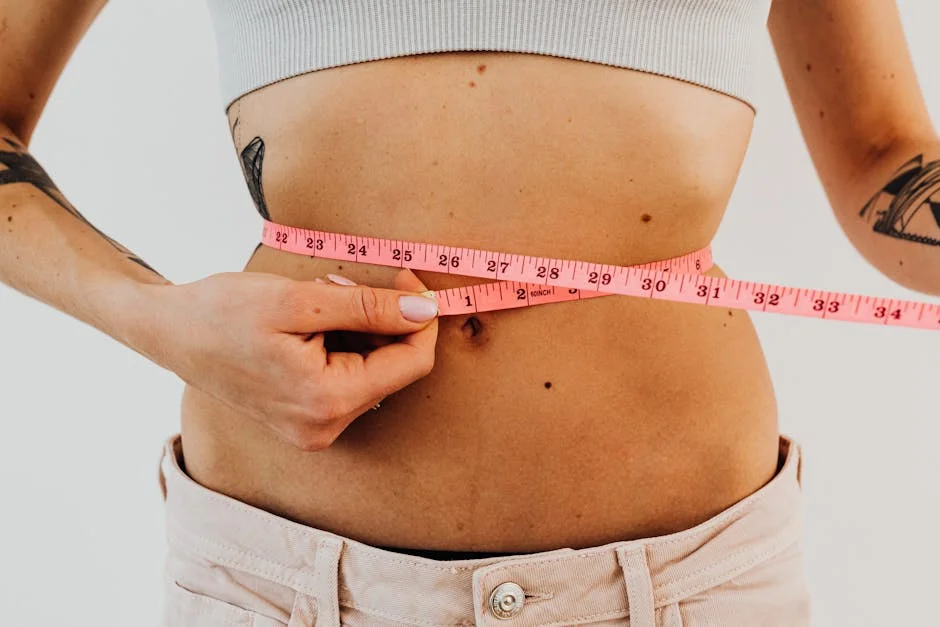
Many people search for ways to lose weight in 2 weeks because a vacation, event, or health wake-up call creates urgency. The fastest results usually come from a combination of fat loss, reduced water retention, and better digestion rather than pure fat loss alone. A realistic and safe target for most adults is about 0.5–1.0% of body weight per week, though some can see a larger scale drop early when sodium intake falls and carbohydrate intake becomes more structured. That early “whoosh” can be motivating, but it’s important to frame it correctly so the approach doesn’t become extreme. When the goal is realistic, the plan becomes sustainable enough to keep going after the two-week mark, which is the real determinant of long-term success. Aiming to lose 2–6 pounds in two weeks is common, and higher losses are possible depending on starting weight and water balance, but trying to force dramatic changes quickly can backfire through hunger, poor sleep, and rebound eating.
Table of Contents
- My Personal Experience
- Set a Realistic Goal for How Much You Can Lose Weight in 2 Weeks
- Create a Calorie Deficit Without Starving Yourself
- Prioritize Protein to Preserve Muscle and Control Hunger
- Choose Carbs Strategically to Reduce Bloat and Boost Energy
- Manage Sodium, Hydration, and Fiber for a Leaner Look
- Build a 14-Day Strength Training Plan to Keep Your Metabolism Strong
- Use Daily Walking and Smart Cardio to Increase Calorie Burn
- Expert Insight
- Improve Sleep and Stress to Reduce Cravings and Water Retention
- Plan Meals and Grocery Lists to Reduce Decision Fatigue
- Portion Control Methods That Work Fast Without Feeling Restrictive
- Track Progress the Right Way for Two Weeks: Scale, Measurements, and Habits
- Common Mistakes That Prevent People from Losing Weight in 2 Weeks
- How to Transition After Two Weeks So Results Don’t Rebound
- Watch the demonstration video
- Frequently Asked Questions
- Trusted External Sources
My Personal Experience
Two weeks before a friend’s wedding, I realized my clothes were feeling tight and I wanted to feel better—not just look different—so I committed to a simple plan for 14 days. I stopped drinking soda and alcohol, kept my meals basic (eggs or yogurt for breakfast, a big salad with chicken for lunch, and something like salmon with veggies for dinner), and I measured portions instead of guessing. I also walked every day after work for about 30–40 minutes and did a short bodyweight routine three times that week. The first few days were the hardest because I craved snacks at night, but drinking water and going to bed earlier helped more than I expected. By the end of the two weeks I was down a few pounds, my face looked less puffy, and I had more energy—honestly the biggest win was realizing I didn’t need an extreme crash diet to see a noticeable change. If you’re looking for lose weight in 2 weeks, this is your best choice.
Set a Realistic Goal for How Much You Can Lose Weight in 2 Weeks
Many people search for ways to lose weight in 2 weeks because a vacation, event, or health wake-up call creates urgency. The fastest results usually come from a combination of fat loss, reduced water retention, and better digestion rather than pure fat loss alone. A realistic and safe target for most adults is about 0.5–1.0% of body weight per week, though some can see a larger scale drop early when sodium intake falls and carbohydrate intake becomes more structured. That early “whoosh” can be motivating, but it’s important to frame it correctly so the approach doesn’t become extreme. When the goal is realistic, the plan becomes sustainable enough to keep going after the two-week mark, which is the real determinant of long-term success. Aiming to lose 2–6 pounds in two weeks is common, and higher losses are possible depending on starting weight and water balance, but trying to force dramatic changes quickly can backfire through hunger, poor sleep, and rebound eating.

To set a strong two-week target, start by identifying your baseline: current weight, waist measurement, average daily steps, typical meal patterns, alcohol intake, and sleep schedule. Then create a simple scoreboard. Track scale weight at consistent times (for example, morning after using the bathroom), but also track waist circumference and how clothes fit. When you try to lose weight in 2 weeks, the scale can fluctuate from salt, stress, menstrual cycle, or workouts that cause muscle inflammation. Waist measurement and photos often reveal progress the scale hides. Focus on controllable behaviors: daily protein, vegetables, water, steps, and a consistent calorie deficit that doesn’t feel like punishment. If you can execute those behaviors for 14 days with minimal “decision fatigue,” the result is usually visible and meaningful.
Create a Calorie Deficit Without Starving Yourself
A calorie deficit is the engine that drives fat loss, whether you want to lose weight in 2 weeks or over several months. The key is creating the deficit in a way you can actually follow for 14 straight days. Extreme restriction often leads to fatigue, irritability, and binge episodes that erase progress. A more effective strategy is to reduce calories by tightening food quality and portions while keeping meals satisfying. For many people, a deficit of 300–700 calories per day is enough to produce noticeable change in two weeks, especially when combined with more daily movement. Instead of guessing, use a food tracker for a short period or build a repeatable meal template: protein + high-fiber carbs + vegetables + a measured portion of fats. When meals are built around high-volume foods, you can eat a large plate and still stay in a deficit.
Practical ways to create a deficit quickly include swapping calorie-dense snacks for fruit, yogurt, or air-popped popcorn; reducing liquid calories from fancy coffees, juices, and alcohol; and controlling “invisible” calories from oils, dressings, and mindless bites while cooking. Another powerful lever is meal timing: many find that a consistent eating window helps them naturally eat less without feeling deprived. If you want to lose weight in 2 weeks, consider a simple structure like three meals and one planned snack, or two larger meals and one smaller meal, depending on your schedule. The best structure is the one that reduces unplanned grazing. Keep flexibility by planning one higher-calorie meal each week so you don’t feel trapped, but avoid turning it into a full day of indulgence that spills into the next day.
Prioritize Protein to Preserve Muscle and Control Hunger
Protein is one of the most effective tools when trying to lose weight in 2 weeks because it increases fullness, supports muscle retention, and slightly raises the energy cost of digestion. When calories drop, the body can pull energy from both fat and lean tissue; adequate protein and resistance training help protect muscle so more of the loss comes from fat. A practical protein target for many adults is roughly 0.7–1.0 grams per pound of goal body weight, though individual needs vary based on size, activity, and appetite. If that sounds high, start by improving distribution: include a solid protein portion at breakfast, lunch, and dinner rather than trying to “catch up” at night. Evenly spaced protein tends to reduce cravings and makes the plan feel easier.
High-protein foods that work well in a two-week cut include chicken breast, turkey, lean beef, fish, shrimp, eggs, egg whites, Greek yogurt, cottage cheese, tofu, tempeh, edamame, and protein powders when needed for convenience. Building meals around protein also reduces the chance that you fill up on refined carbs and fats first. If you want to lose weight in 2 weeks and you often snack late, a protein-rich evening snack like Greek yogurt with berries or cottage cheese with cucumber can be more stabilizing than chips or sweets. Pair protein with fiber (vegetables, beans, berries, oats) to maximize satiety. Keep an eye on sauces and breading, which can add calories quickly; choose grilling, baking, air-frying, or pan-searing with measured oil to keep the deficit intact.
Choose Carbs Strategically to Reduce Bloat and Boost Energy
Carbohydrates influence water balance and digestion, which is why carb quality and timing matter when you’re trying to lose weight in 2 weeks. The goal isn’t to fear carbs; it’s to choose carbs that support training, steps, and a steady appetite. Highly processed carbs can be easy to overeat and may increase sodium intake, making you feel puffy even if calories are controlled. On the other hand, fiber-rich carbs like oats, quinoa, potatoes, beans, lentils, fruit, and whole grains can keep you full and energized. Many people do well by reducing refined carbs (pastries, candy, white bread, chips) while keeping measured portions of fiber-rich carbs that fit their calorie target.
Carb timing can also help. If workouts are part of your plan to lose weight in 2 weeks, placing carbs around training—before and/or after—can improve performance and recovery, making it easier to keep activity consistent. If you feel sluggish in the afternoon, a balanced lunch with protein, vegetables, and a moderate carb portion often beats a very low-carb meal that leads to cravings later. For those prone to bloating, pay attention to triggers such as large amounts of sugar alcohols, carbonated drinks, or huge servings of raw cruciferous vegetables. Cooked vegetables, smaller portions of legumes, and slower eating can reduce digestive discomfort. The best carb plan is the one that keeps you consistent: steady energy, manageable cravings, and good digestion.
Manage Sodium, Hydration, and Fiber for a Leaner Look
If your goal is to lose weight in 2 weeks, how you manage water retention can noticeably change how you look and feel. Sodium, hydration, and fiber interact with each other. High sodium meals—especially from restaurant food, deli meats, sauces, and packaged snacks—can increase water retention and make the scale jump temporarily. That doesn’t mean sodium is “bad,” but swings in intake can create confusing fluctuations. A smart strategy is to keep sodium relatively consistent day to day and emphasize potassium-rich foods like bananas, potatoes, beans, yogurt, and leafy greens. When sodium is stable and hydration is adequate, your body tends to regulate fluid balance more predictably.
Hydration matters because mild dehydration can increase hunger and reduce workout performance, while also making the body hold onto water in some cases. Aim for clear to pale yellow urine as a simple indicator, and drink more if you’re sweating heavily. Fiber supports digestion and fullness, but sudden large increases can cause bloating. If you want to lose weight in 2 weeks, add fiber gradually: include vegetables at two meals per day at first, then increase. A practical target for many adults is 25–35 grams of fiber daily, but tolerance varies. Also, remember that fiber needs water; if you increase vegetables and whole grains, increase fluids too. These adjustments won’t replace a calorie deficit, but they can enhance comfort, reduce scale noise, and help your body look tighter during a short timeline.
Build a 14-Day Strength Training Plan to Keep Your Metabolism Strong
Strength training is a powerful complement when trying to lose weight in 2 weeks because it signals your body to keep muscle while you’re eating fewer calories. Muscle is metabolically active tissue, and maintaining it supports a higher resting energy expenditure over time. Beyond metabolism, strength workouts improve posture and muscle tone, which can make changes more visible even before large scale losses occur. For a two-week push, aim for 3–4 full-body sessions per week, each lasting 30–60 minutes. Focus on compound movements such as squats, hinges (deadlift patterns), presses, rows, and lunges. If you’re new, bodyweight versions and machines are perfectly effective; the priority is consistency and progressive effort, not perfect complexity.
A simple approach is two alternating workouts. Workout A: squat or leg press, push-up or chest press, row, Romanian deadlift or hip hinge, and a core move. Workout B: lunge or split squat, overhead press, lat pulldown or assisted pull-up, hip thrust or glute bridge, and a core move. Use weights that make the last few reps challenging while maintaining good form. If you want to lose weight in 2 weeks, avoid doing so much volume that you’re sore for days and skip sessions; moderate, repeatable training beats heroic workouts. Pair strength training with adequate protein and sleep to recover. In two weeks, you may not “build” lots of new muscle, but you can preserve what you have, improve muscle fullness, and create the tight, athletic look many people want.
Use Daily Walking and Smart Cardio to Increase Calorie Burn
Walking is one of the most underrated tools to lose weight in 2 weeks because it’s low stress, easy to recover from, and can be scaled up quickly. Unlike high-intensity cardio that may spike hunger or increase fatigue, walking adds calorie burn without sabotaging your training. A strong target for many people is 8,000–12,000 steps per day, but your best target depends on your starting point. If you currently average 3,000–4,000 steps, jumping to 12,000 overnight can cause soreness and make you quit. Increase gradually: add 2,000 steps per day every few days. Short “movement snacks” like 10-minute walks after meals can also improve blood sugar control and digestion.
Expert Insight
For the next 14 days, create a consistent calorie deficit by building each meal around lean protein and high-fiber plants: aim for 25–35 g protein per meal (eggs, Greek yogurt, chicken, tofu, beans) plus 2+ cups of non-starchy vegetables. Swap liquid calories for water or unsweetened drinks, and keep portions simple by using a smaller plate and pre-portioning snacks to avoid “extra bites” that add up. If you’re looking for lose weight in 2 weeks, this is your best choice.
Increase daily movement without overhauling your schedule: target 8,000–12,000 steps per day and add 2–3 short strength sessions per week (20–30 minutes of squats, hinges, pushes, pulls, and planks). Prioritize sleep (7–9 hours) and keep sodium and ultra-processed foods lower to reduce water retention—both can make results more noticeable within two weeks. If you’re looking for lose weight in 2 weeks, this is your best choice.
Cardio can help, but the smartest approach is the one you can repeat for 14 days without burnout. If you enjoy it, add 2–3 sessions per week of moderate cardio (cycling, incline treadmill, rowing, swimming) for 20–40 minutes. If you want to lose weight in 2 weeks and prefer intensity, keep high-intensity intervals to 1–2 sessions per week and place them away from heavy leg training days. Too much intensity can increase water retention and soreness, making the scale confusing. The most reliable fat loss results come from a steady calorie deficit plus higher daily movement. Walking is often the glue that makes the plan work because it’s consistent, simple, and doesn’t require special equipment.
Improve Sleep and Stress to Reduce Cravings and Water Retention
Sleep and stress management can make or break your attempt to lose weight in 2 weeks. Poor sleep increases hunger hormones, reduces impulse control, and makes high-calorie foods more tempting. It also reduces training performance and recovery, which can lower the amount of movement you naturally do. Stress can push people toward emotional eating and can increase water retention through hormonal pathways. Even if calories are controlled, high stress and poor sleep can create scale fluctuations that feel discouraging. The solution isn’t perfection; it’s building a two-week routine that supports a calmer nervous system and better recovery.
| Approach | What it focuses on (2-week window) | Typical results & best for |
|---|---|---|
| Calorie deficit + high-protein meals | Moderate daily calorie reduction while prioritizing protein, fiber, and minimally processed foods to control hunger and preserve lean mass. | Often the most consistent fat-loss progress in 2 weeks; best for sustainable habits and appetite control. |
| Low-carb (water-weight drop) | Reducing carbs to lower glycogen and associated water retention; may also reduce overall calories. | Faster scale change early (mostly water), fat loss depends on calorie intake; best for quick short-term scale reduction. |
| Exercise-driven plan (strength + cardio) | Increasing energy burn with structured workouts—strength training to maintain muscle plus cardio/steps for extra expenditure. | Improves fitness and body composition; scale changes may be slower if water/inflammation rises; best for toning and long-term momentum. |
For the next 14 days, aim for a consistent sleep schedule with a realistic bedtime and wake time. Reduce screen brightness at night, keep the room cool and dark, and avoid heavy meals right before bed. If you want to lose weight in 2 weeks, consider limiting alcohol because it disrupts sleep quality and often leads to extra snacking. Stress relief doesn’t have to be elaborate: 10 minutes of breathing exercises, stretching, journaling, or a slow walk can lower tension. Also, plan meals and snacks so you’re not constantly making food decisions under pressure. When sleep improves, cravings usually drop, workouts feel better, and it becomes easier to stay in a calorie deficit without feeling miserable.
Plan Meals and Grocery Lists to Reduce Decision Fatigue
Meal planning is a practical advantage when you want to lose weight in 2 weeks because it reduces the number of times you must rely on willpower. When healthy options are ready, you’re less likely to order takeout, snack impulsively, or underestimate portions. A simple method is to choose 2–3 breakfast options, 2–3 lunch options, and 3–4 dinner options, then rotate them. This keeps variety while minimizing complexity. Build each meal around protein and produce, then add measured portions of carbs and fats. If you enjoy cooking, batch-cook proteins (chicken, turkey, tofu, lean beef) and carbs (rice, potatoes, quinoa) so you can assemble meals quickly. If you don’t enjoy cooking, use convenience foods like bagged salads, rotisserie chicken, microwave rice, frozen vegetables, and pre-cut fruit.
Create a grocery list that supports your two-week target: lean proteins, high-fiber carbs, vegetables, fruits, Greek yogurt, eggs, legumes, and a few sauces or seasonings you love. Keep “trigger foods” out of the house if they routinely derail you, or buy single portions. If you want to lose weight in 2 weeks, restaurant meals can still fit, but plan them: look at menus ahead, choose grilled or baked proteins, ask for sauces on the side, and prioritize vegetables. Use portion control strategies like boxing half the meal immediately. Planning also includes snacks; a planned snack is not a failure, it’s a tool. A protein shake, apple with measured peanut butter, or yogurt with berries can prevent you from arriving at dinner overly hungry and overeating.
Portion Control Methods That Work Fast Without Feeling Restrictive
Portion control is often the simplest lever to lose weight in 2 weeks because it directly affects calorie intake without requiring complicated rules. Many people eat healthy foods but still overeat portions of calorie-dense items like nuts, cheese, oils, granola, and restaurant meals. Using a food scale for a short period can be eye-opening, but you can also rely on visual methods: a palm-sized portion of protein, a fist of carbs, and two fists of vegetables is a simple starting point. Add a thumb-sized portion of fats if needed. Adjust based on hunger, activity, and results. Portion control works best when meals are built from high-volume foods that take up space on the plate.
Another method is to use smaller plates and bowls, serve food in the kitchen, and avoid eating from bags. Eat slowly and aim to finish meals in 15–20 minutes, giving your fullness signals time to register. If you want to lose weight in 2 weeks, consider a “protein and produce first” rule: eat the protein and vegetables before deciding if you want more carbs or fats. This naturally reduces calorie intake while keeping satisfaction high. Also pay attention to calorie-containing beverages; portion control applies to coffee drinks, smoothies, alcohol, and even “healthy” juices. Keeping portions consistent for 14 days creates predictable results and helps you learn what your body actually needs versus what your environment encourages you to consume.
Track Progress the Right Way for Two Weeks: Scale, Measurements, and Habits
Tracking helps you lose weight in 2 weeks because it turns vague effort into measurable feedback. The mistake is relying on only one metric. Daily weigh-ins can be useful if you understand normal fluctuations and focus on the trend, not a single number. If daily weigh-ins feel stressful, weigh 3–4 times per week and calculate the average. Also measure your waist at the navel and take front/side photos in similar lighting. These data points often show progress even when the scale stalls due to water retention from workouts, sodium, or hormonal changes. Tracking also highlights whether your plan is working or whether adjustments are needed.
Behavior tracking can be even more powerful than body metrics in a short timeline. Create a simple checklist: hit protein target, eat vegetables twice daily, drink enough water, complete steps, complete workouts, and get a consistent bedtime. If you want to lose weight in 2 weeks, aim for 80–90% compliance rather than perfection. If progress is slower than expected after 7–10 days, adjust one lever at a time: reduce calorie intake slightly (often by trimming fats or refined carbs), increase steps by 1,000–2,000 per day, or tighten weekend eating. Avoid making multiple drastic changes at once, which can cause burnout and make it hard to identify what actually worked.
Common Mistakes That Prevent People from Losing Weight in 2 Weeks
Several predictable mistakes can sabotage efforts to lose weight in 2 weeks. One is relying on “healthy” labels instead of portion control; foods like nuts, avocado, granola, and olive oil are nutritious but calorie dense. Another is underestimating weekends, where restaurant meals, drinks, and snacks can erase a week’s deficit. A third is inconsistent protein intake, which increases hunger and makes it harder to stick to the plan. Many people also overdo intense workouts, then become sore, tired, and less active the rest of the day, reducing overall calorie burn. Finally, skipping sleep is a major hidden driver of cravings and poor choices, especially at night.
Another common issue is expecting linear progress. When trying to lose weight in 2 weeks, the scale may drop quickly at first and then slow, or it may stall for several days and then drop suddenly. This is normal. Water retention from strength training, increased fiber, or stress can temporarily mask fat loss. People often respond by cutting calories too far, which increases hunger and makes adherence harder. A better approach is to stay consistent for at least 7–10 days before making changes, then adjust gently. Also avoid “all-or-nothing” thinking: one off-plan meal doesn’t ruin the week. Return to your next planned meal, hit your steps, and keep protein high. Consistency beats perfection, especially within a short 14-day window.
How to Transition After Two Weeks So Results Don’t Rebound
After you lose weight in 2 weeks, the next step determines whether the progress stays. Many people return to old habits immediately, which brings back water weight and often leads to fat regain. A smarter transition is to increase calories gradually while keeping the core behaviors that created results: protein at each meal, vegetables daily, consistent steps, and a few strength sessions per week. If you cut carbs or sodium significantly, reintroduce them slowly to avoid sudden scale spikes that feel discouraging. Remember that some regain after a short cut can be normal water weight, not fat; keeping perspective prevents overreaction and extreme dieting cycles.
Set a maintenance plan for the following two weeks: keep the same meal structure on weekdays, allow one or two flexible meals on the weekend, and maintain your step goal. If you want to lose weight in 2 weeks and continue afterward, consider alternating phases: two weeks of focused deficit, then one to two weeks closer to maintenance while keeping training and steps consistent. This approach can feel more livable and reduces burnout. The goal is to leave the two-week sprint with better routines, not just a lower number on the scale. When you keep the habits that support appetite control and activity, you can maintain the progress and continue improving at a steady pace.
If you want to lose weight in 2 weeks, the most reliable path is a moderate calorie deficit, high protein, consistent steps, strength training, and stable sleep, while managing sodium, hydration, and portions to reduce scale noise and improve how you look and feel. Keep the plan simple enough to repeat daily, track both behaviors and outcomes, and focus on consistency rather than extremes so the changes you earn in 14 days can continue long after the two weeks are over.
Watch the demonstration video
In this video, you’ll learn practical, science-backed steps to help you lose weight in 2 weeks. It covers simple nutrition changes, effective workouts, and daily habits that boost fat loss while protecting energy and muscle. You’ll also get tips for staying consistent, tracking progress, and avoiding common mistakes that slow results.
Summary
In summary, “lose weight in 2 weeks” is a crucial topic that deserves thoughtful consideration. We hope this article has provided you with a comprehensive understanding to help you make better decisions.
Frequently Asked Questions
Can I really lose weight in 2 weeks?
Yes—you *can* lose weight in 2 weeks, but the amount and type of weight you drop will vary from person to person. Early on, a noticeable chunk of the change is often water weight, especially if you’ve recently adjusted your carbs or salt. For fat loss, a more realistic and sustainable pace is about **0.5–1% of your body weight per week**, which adds up to steady progress without extreme measures.
How much weight is safe to lose in 2 weeks?
For most people, a safer and more sustainable goal is to **lose weight in 2 weeks** by aiming for around **1–4 lb (0.5–2 kg)** total. Trying to drop weight faster than that can leave you feeling drained, increase muscle loss, and make rebound weight gain more likely.
What should I eat to lose weight in 2 weeks?
Focus your meals on lean protein, high-fiber vegetables, fruit, and minimally processed carbs, while cutting back on sugary drinks, alcohol, and ultra-processed snacks. Keep your portions steady and aim to include a good source of protein at every meal—simple habits that can support your efforts to **lose weight in 2 weeks**.
What workouts help most in a 2-week window?
Pair strength training 2–4 times a week with daily walks or another form of cardio to keep your activity levels up. Strength workouts help you maintain lean muscle, while a sensible calorie deficit supports fat loss—an effective approach if your goal is to **lose weight in 2 weeks**.
How can I reduce bloating quickly?
To help **lose weight in 2 weeks**, cut back on high-sodium foods to reduce water retention, drink plenty of water throughout the day, and prioritize solid sleep each night. Keep your fiber intake consistent instead of suddenly ramping it up, and if you’re prone to bloating, consider limiting carbonated drinks and avoiding heavy late-night meals.
What are common mistakes that stop progress in 2 weeks?
Many people struggle because they overestimate how many calories they burn, underestimate portion sizes, let weekends derail their progress, sleep poorly, or skip protein. If you want to **lose weight in 2 weeks**, start by tracking what you eat for a few days, keep your daily steps high, prioritize protein at each meal, and follow a simple, consistent plan you can actually stick with.
📢 Looking for more info about lose weight in 2 weeks? Follow Our Site for updates and tips!

Trusted External Sources
- The Mayo Clinic Diet: A weight-loss program for life
Lose It! This two-week phase is designed to jump-start your weight loss, so you may lose up to 6 to 10 pounds (2.7 to 4.5 kilograms) in a safe and healthy way. If you’re looking for lose weight in 2 weeks, this is your best choice.
- How to Lose Weight in 2 Weeks: Quickly, Naturally and Permanently
If you want to **lose weight in 2 weeks**, focus on two proven basics: a calorie-controlled eating plan and consistent movement. Build your meals around whole, filling foods—think fruits, vegetables, lean proteins, and high-fiber carbs—while cutting back on sugary drinks and ultra-processed snacks. Pair that with regular workouts (a mix of strength training and cardio) and daily activity like walking, and you’ll set yourself up for noticeable progress in a short time.
- Steps for Losing Weight | Healthy Weight and Growth – CDC
Jan 17, 2026 … … weight. People who lose weight at a gradual, steady pace—about 1 to 2 pounds a week—are more likely to keep the weight off than people who … If you’re looking for lose weight in 2 weeks, this is your best choice.
- Diet for rapid weight loss: MedlinePlus Medical Encyclopedia
May 20, 2026 … Rapid weight loss diet is a type of diet in which you lose more than 2 pounds (lb) or 1 kilogram (kg) a week over several weeks. If you’re looking for lose weight in 2 weeks, this is your best choice.
- Tips to help you lose weight – NHS
… 2 diabetes. Information: Find out if you’re a healthy weight. Body mass … aim to lose 1 to 2lbs, or 0.5 to 1kg, a week. read food labels – products … If you’re looking for lose weight in 2 weeks, this is your best choice.


