
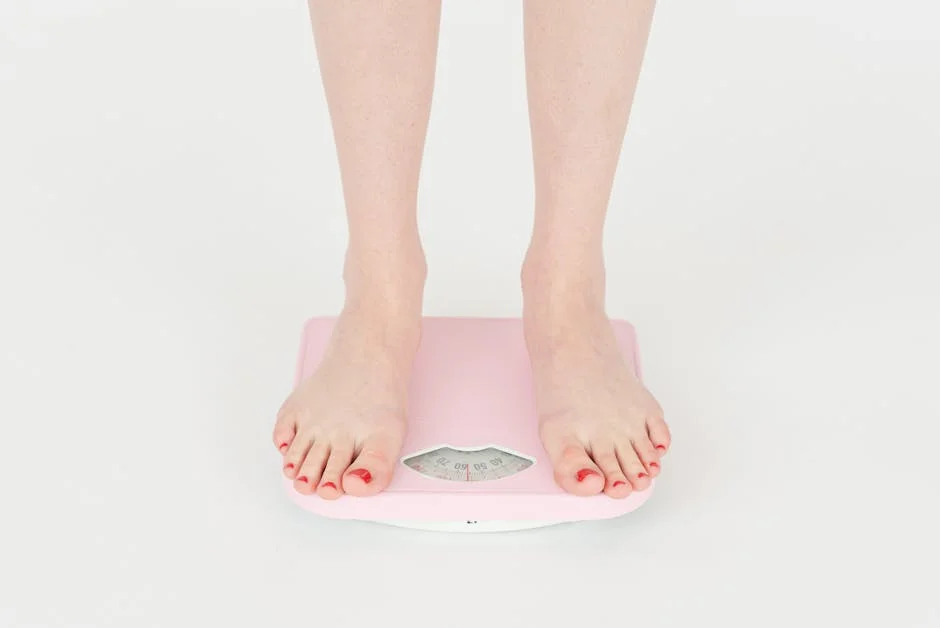
Searching for the best fasting for weight loss usually starts with a simple hope: eat less, burn more, and finally see the scale move. Fasting can support that goal, but the “best” approach is rarely one-size-fits-all. Weight loss happens when your body spends more time using stored energy than incoming energy, and fasting helps by creating structured periods where eating is paused. During fasting windows, insulin levels typically drop, and the body becomes more likely to tap into stored glycogen and fat for fuel. That shift can make it easier to maintain a calorie deficit without constantly tracking every bite. Still, it’s important to recognize that fasting is a tool for appetite control and metabolic flexibility, not a magic override for nutrition quality, sleep, stress, or overall calorie intake.
Table of Contents
- My Personal Experience
- Understanding the “best fasting for weight loss” and why timing matters
- Intermittent fasting basics: what actually drives fat loss
- 16:8 fasting: the most popular option and who it suits
- 14:10 fasting: a gentler schedule that still works
- 18:6 and 20:4 fasting: when shorter eating windows help (and when they backfire)
- Alternate-day fasting and 5:2: stronger calorie control with higher complexity
- Choosing the best fasting schedule based on lifestyle, hunger, and training
- Expert Insight
- What to eat during the eating window: protein, fiber, and satiety first
- What breaks a fast: calories, sweeteners, and practical rules
- Common mistakes that prevent weight loss while fasting
- Safety, who should avoid fasting, and how to start responsibly
- Putting it all together: a realistic weekly plan for lasting results
- Watch the demonstration video
- Frequently Asked Questions
- Trusted External Sources
My Personal Experience
After trying a bunch of diets that left me hungry and cranky, the fasting approach that worked best for my weight loss was a simple 16:8 schedule—skipping breakfast and eating between noon and 8 p.m. The first week was rough (especially around 10 a.m.), but black coffee, water, and staying busy made it manageable. What surprised me most was how much it cut down on mindless snacking at night; I still ate normal meals, just in a tighter window, and I focused on protein and vegetables so I didn’t feel deprived. I lost weight steadily over a couple of months, but the bigger win was that it felt sustainable—if I had a social dinner or a stressful day, I could loosen the window without feeling like I “failed,” then get back to it the next day. If you’re looking for best fasting for weight loss, this is your best choice.
Understanding the “best fasting for weight loss” and why timing matters
Searching for the best fasting for weight loss usually starts with a simple hope: eat less, burn more, and finally see the scale move. Fasting can support that goal, but the “best” approach is rarely one-size-fits-all. Weight loss happens when your body spends more time using stored energy than incoming energy, and fasting helps by creating structured periods where eating is paused. During fasting windows, insulin levels typically drop, and the body becomes more likely to tap into stored glycogen and fat for fuel. That shift can make it easier to maintain a calorie deficit without constantly tracking every bite. Still, it’s important to recognize that fasting is a tool for appetite control and metabolic flexibility, not a magic override for nutrition quality, sleep, stress, or overall calorie intake.

Timing influences how fasting feels and how sustainable it becomes. Some people do better skipping breakfast and eating later; others find it easier to stop eating earlier in the evening. Your daily schedule, training time, and even social life can determine whether a fasting plan becomes effortless or miserable. A plan that causes frequent overeating during eating windows, poor sleep, or persistent fatigue won’t be the best fasting for weight loss even if it looks “optimal” on paper. The most effective fasting plan is the one that reliably helps you eat fewer calories over weeks and months while still hitting protein targets, supporting exercise, and keeping hunger manageable. That often means choosing a fasting schedule that reduces decision fatigue, limits mindless snacking, and fits your natural appetite patterns.
Intermittent fasting basics: what actually drives fat loss
Intermittent fasting is an umbrella term for eating patterns that alternate between periods of eating and not eating. The fat-loss mechanism is usually straightforward: fewer eating opportunities can lead to fewer total calories. Many people experience a natural reduction in snacking and late-night grazing when they adopt a defined fasting window. Hormonal changes also play a role—lower insulin and improved insulin sensitivity may make it easier for the body to access stored energy—yet the dominant driver remains energy balance over time. If fasting causes you to consume the same or even more calories than before, weight loss will stall. That’s why the best fasting for weight loss is the one that helps you maintain a consistent, comfortable calorie deficit without feeling deprived or triggering rebound eating.
Another key factor is protein intake and resistance training. Fasting can be paired with strength workouts to support muscle retention while losing fat, but it requires planning. If your eating window is too short and you struggle to eat enough protein, you may lose more lean mass than necessary. Similarly, if fasting makes workouts feel weak and reduces your training quality, the “cost” of fasting may outweigh the benefits. Many people do best with a moderate approach that allows two to three protein-rich meals and, if needed, a snack within the eating window. The goal is not to fast as long as possible; it’s to fast in a way that supports consistency, preserves muscle, and improves adherence. When those pieces align, fasting becomes a practical structure rather than a daily battle. If you’re looking for best fasting for weight loss, this is your best choice.
16:8 fasting: the most popular option and who it suits
The 16:8 schedule—fast for 16 hours and eat within an 8-hour window—is often considered the best fasting for weight loss for beginners because it’s simple and flexible. Many people naturally fast overnight, so extending that fast by a few hours can feel doable. A common pattern is to eat from 12 p.m. to 8 p.m., or from 10 a.m. to 6 p.m., depending on lifestyle. The advantage is that you can usually fit two substantial meals and a protein-focused snack into the eating window. That makes it easier to hit daily protein targets and include enough fruits, vegetables, and fiber to keep hunger under control. For people who snack at night, 16:8 can be especially helpful because it sets a firm boundary that reduces late-day overeating.
However, 16:8 isn’t automatically ideal for everyone. If you train early in the morning and feel best eating soon after, a late first meal may leave you under-fueled and overly hungry later, increasing the risk of overeating. In that case, shifting the window earlier—such as 8 a.m. to 4 p.m.—can preserve the benefits while supporting training recovery. Another consideration is sleep: eating a large meal too close to bedtime can worsen reflux, disrupt sleep, or reduce morning appetite, which can throw off the plan. The best fasting for weight loss with a 16:8 structure is one that keeps meals satisfying but not so late that sleep suffers. Choosing whole foods, prioritizing protein at each meal, and keeping ultra-processed foods in check often makes 16:8 feel surprisingly easy.
14:10 fasting: a gentler schedule that still works
A 14:10 fasting pattern—fast for 14 hours and eat within a 10-hour window—often gets overlooked because it sounds less “hardcore,” but it can be highly effective. For many people, it’s the best fasting for weight loss because it improves consistency. A 14-hour fast can be as simple as finishing dinner at 7 p.m. and eating breakfast at 9 a.m. the next day. That approach reduces late-night snacking while still allowing a normal breakfast and a balanced day of eating. If you’ve tried longer fasts and found yourself thinking about food constantly or overeating at your first meal, stepping down to 14:10 can be a smart move. Sustainable fat loss depends on what you can repeat most days, not what looks impressive.
14:10 can also be a practical choice for active people, shift workers, or anyone with a demanding schedule. A slightly longer eating window makes it easier to distribute protein across three meals, which supports muscle maintenance during weight loss. It can also reduce the urge to “make up” for fasting by eating very large portions in a short time, which can cause digestive discomfort and make hunger signals feel unpredictable. The best fasting for weight loss is often the one that helps appetite settle into a rhythm: you get hungry at roughly the same times, you eat satisfying meals, and you stop without feeling panicked. With 14:10, the emphasis should still be on nutrient-dense foods, high-fiber carbohydrates, and adequate hydration—because fasting doesn’t cancel out the need for quality nutrition.
18:6 and 20:4 fasting: when shorter eating windows help (and when they backfire)
Shorter eating windows like 18:6 or 20:4 can create a stronger structure and may reduce overall calorie intake more quickly. Some people find these schedules are the best fasting for weight loss because they naturally limit grazing and encourage larger, more satisfying meals. If you tend to snack mindlessly throughout the day, compressing eating into a smaller window can reduce the number of decisions you make and cut out “bonus calories.” For people with a lower appetite, these approaches can feel surprisingly easy. You might eat a substantial meal, wait a few hours, then eat a second meal and be done. The simplicity can be appealing, especially for those who prefer fewer meals.
But these schedules can backfire if they push you into extremes. A 4–6 hour eating window can make it hard to consume enough protein, fiber, and micronutrients without relying on calorie-dense processed foods. It can also trigger overeating if you arrive at the eating window overly hungry. Another risk is reduced training performance, particularly if you lift weights or do endurance work and can’t fuel around workouts. Digestive discomfort is also common when large volumes of food are eaten quickly. The best fasting for weight loss is not the longest fast you can tolerate for a week; it’s the one you can maintain for months while still eating balanced meals. If you choose 18:6 or 20:4, planning becomes crucial: prioritize lean protein, include vegetables and fiber-rich carbs, and avoid turning the eating window into a chaotic free-for-all.
Alternate-day fasting and 5:2: stronger calorie control with higher complexity
Alternate-day fasting (ADF) and the 5:2 approach (five normal eating days and two low-calorie days) can produce weight loss because they create a larger weekly calorie deficit. For some, this can be the best fasting for weight loss because it feels easier to “bear down” on certain days rather than restrict every day. ADF often involves either a full fast every other day or a very low-calorie intake on fasting days. The 5:2 method typically uses two nonconsecutive days where calories are reduced significantly, while other days remain more normal. These methods can be effective, but they demand more planning and may be harder to integrate with social events, training schedules, or jobs that require steady energy.
Complexity is the main drawback. People sometimes compensate on non-fasting days by eating more than they realize, which can erase the calorie deficit. Others find that fasting days disrupt sleep or mood, leading to a cycle of stress and cravings. If you have a history of binge eating, these approaches may be risky because “feast or famine” patterns can amplify all-or-nothing thinking. The best fasting for weight loss with ADF or 5:2 is usually a version that emphasizes protein and high-volume foods on low-calorie days—think lean meats, Greek yogurt, eggs, legumes, vegetables, soups, and berries—so hunger stays manageable. It also helps to keep non-fasting days structured rather than treating them as unlimited. When done thoughtfully, weekly-pattern fasting can work well, but it’s rarely the simplest place to start.
Choosing the best fasting schedule based on lifestyle, hunger, and training
Finding the best fasting for weight loss starts with an honest look at your routine. When are you most hungry? When do you train? When do you socialize? If mornings are hectic and you don’t feel hungry until later, a 16:8 pattern with a midday first meal might feel natural. If you’re ravenous in the morning and tend to overeat at night, an earlier eating window might be more effective. People who lift weights often benefit from aligning meals with training—either eating a protein-rich meal after workouts or scheduling workouts inside the eating window so recovery nutrition is easy. The “best” plan is the one that supports stable energy and reduces the chances of compensatory eating.
| Fasting method | Best for | Typical schedule | Pros | Watch-outs |
|---|---|---|---|---|
| 16:8 (Time-restricted eating) | Most beginners; steady, sustainable fat loss | Fast 16 hours, eat within an 8-hour window (e.g., 12–8 pm) | Easy to maintain; fits social meals; supports calorie control | Overeating in the window can stall progress; may be tough for early-morning training |
| 5:2 (Two low-calorie days) | People who prefer “normal” eating most days | 5 days normal eating; 2 nonconsecutive days at ~500–600 kcal | Flexible weekly structure; less daily restriction | Low-cal days can trigger hunger, headaches, irritability; not ideal for high-performance days |
| Alternate-day fasting (ADF) | Faster short-term weight loss with strong structure | Alternate fast/very-low-cal days with regular eating days | Often produces larger weekly calorie deficit; clear routine | Harder adherence; higher risk of fatigue and rebound eating; may not suit busy or highly active schedules |
Expert Insight
Start with a sustainable fasting window, such as 12:12 or 14:10, and keep it consistent for 2–3 weeks before tightening to 16:8 if needed. During your eating window, prioritize protein and fiber at each meal (e.g., eggs or Greek yogurt plus fruit at the first meal; lean protein, vegetables, and a whole grain at the second) to curb hunger and protect muscle while losing fat. If you’re looking for best fasting for weight loss, this is your best choice.
Make your fast easier by planning hydration and timing: drink water, black coffee, or unsweetened tea, and add electrolytes if you’re active or prone to headaches. To avoid overeating, break the fast with a balanced plate (protein + high-volume vegetables + healthy fat), and set a simple cutoff rule like “no liquid calories” and “no snacking after the last meal” to keep your calorie deficit intact. If you’re looking for best fasting for weight loss, this is your best choice.
Hunger management is a skill, not just willpower. If you’re new to fasting, it’s often smarter to start with 12:12 or 14:10 for a couple of weeks, then adjust. Jumping straight into long fasts can lead to headaches, irritability, and overeating later, which makes the process feel like failure. Also consider sleep and stress: poor sleep increases hunger hormones and cravings, and fasting can feel harder when you’re stressed. The best fasting for weight loss doesn’t ignore these realities; it works with them. A practical approach is to choose a schedule, stick with it for two weeks, track your hunger and energy, and then modify the window by one hour at a time until it feels steady and sustainable.
What to eat during the eating window: protein, fiber, and satiety first
Fasting can reduce the number of meals you eat, but it doesn’t guarantee that the meals you do eat will support fat loss. If you want the best fasting for weight loss, treat the eating window as a time for nutrient-dense, appetite-controlling foods. Protein is the anchor because it supports muscle retention, increases satiety, and helps control cravings. Many people do well aiming for a high-protein meal to break the fast—such as eggs with vegetables, Greek yogurt with berries, or chicken with a large salad and olive oil. Fiber is the second anchor. Vegetables, legumes, whole grains, and fruit add volume and slow digestion, which can make the fasting window feel easier the next day. Including healthy fats (olive oil, avocado, nuts) can further improve satisfaction, but portion awareness matters because fats are calorie-dense.
Ultra-processed foods can undermine fasting by making it easy to overeat quickly. A short eating window plus highly palatable foods can lead to consuming a full day’s calories in one sitting without feeling satisfied. That’s why planning at least one “default meal” you can repeat is helpful. Think: lean protein + high-volume vegetables + a controlled portion of carbs. Carbs aren’t the enemy; they can support training performance and mood. The key is choosing carbs that provide fiber and lasting fullness, like potatoes, oats, beans, and rice paired with protein and vegetables. The best fasting for weight loss also includes hydration and electrolytes—especially if you sweat or drink a lot of coffee—because dehydration can mimic hunger and make fasting feel harder than it needs to be.
What breaks a fast: calories, sweeteners, and practical rules
People often get stuck on technicalities: does coffee break a fast, do zero-calorie sweeteners count, what about gum? For the best fasting for weight loss, the most practical definition is behavioral: anything that reliably triggers hunger, cravings, or eating outside your planned window “breaks” the fast in the way that matters. Black coffee and unsweetened tea are commonly used during fasting because they’re low-calorie and can reduce appetite for some people. Water—still or sparkling—is also fine. If a splash of milk in coffee helps you maintain the schedule and doesn’t lead to snacking, it may still be a net win for weight loss, even if it’s not a “pure” fast. The same goes for a small amount of calories used strategically around workouts if it prevents later overeating.
That said, some additions can backfire. Sweeteners may increase cravings in some individuals, and “diet” treats can keep you mentally focused on food. If you notice that flavored drinks or sweetened coffee makes you hungrier, simplify. Another common issue is using fasting as a justification for high-calorie drinks during the eating window—specialty coffees, alcohol, sugary beverages—because liquid calories don’t satisfy hunger well. The best fasting for weight loss usually involves clear rules that reduce negotiation: choose a fasting window, stick to water/tea/coffee without sugar, and break the fast with a real meal rather than grazing. If you want structure without obsessing, treat fasting as a schedule and nutrition as the quality control that makes the schedule effective.
Common mistakes that prevent weight loss while fasting
One of the biggest mistakes is assuming fasting automatically means a calorie deficit. It’s easy to eat more than expected in a short window, especially if meals are heavy in oils, cheese, desserts, and snacks. Another common error is under-eating protein and then feeling unsatisfied, which leads to constant thoughts about food and eventual overeating. Some people also “reward” themselves for fasting with large treats, turning the pattern into restriction followed by indulgence. That cycle can stall progress and make fasting feel emotionally exhausting. The best fasting for weight loss avoids extremes and focuses on repeatable, balanced meals that keep hunger stable. If your weight isn’t changing after a few weeks, it’s often because total intake is higher than you think, not because fasting “stopped working.”
Another mistake is ignoring sleep, stress, and activity. If fasting leads you to sleep poorly—perhaps because you’re going to bed hungry or eating too late—fat loss can become harder due to increased cravings and reduced recovery. Stress can also increase impulsive eating, and fasting may feel much harder during stressful periods. Overtraining is another trap: trying to fast aggressively while doing intense workouts can increase fatigue and appetite, leading to rebound eating. The best fasting for weight loss supports a realistic routine: adequate sleep, consistent movement, and strength training a few times per week. If fasting makes you less active because you feel low energy, you might lose the calorie deficit you hoped to create. Adjusting the fasting window to match your life often solves these issues faster than trying to “push through” with more willpower.
Safety, who should avoid fasting, and how to start responsibly
Fasting isn’t appropriate for everyone. If you’re pregnant, breastfeeding, underweight, or have a history of eating disorders, fasting can be unsafe or psychologically triggering. People with diabetes or blood sugar regulation issues should consult a clinician because medication timing and dosing may need adjustment. Anyone taking medications that require food should also be cautious. Even for generally healthy people, aggressive fasting can cause dizziness, headaches, irritability, or concentration problems—especially in the first week. The best fasting for weight loss is one that improves health markers and quality of life, not one that leaves you feeling unwell. If symptoms are persistent, it’s a sign to shorten the fast, improve meal composition, or get medical advice.
Starting responsibly means easing in. Begin by setting a consistent “kitchen closed” time at night, such as stopping food at 8 p.m., and delaying breakfast slightly the next morning. Focus on hydration, salt/electrolytes if needed, and balanced meals with enough protein and fiber. Pay attention to how you feel during workouts and daily tasks. A gentle ramp-up—moving from 12 hours to 14, then to 16 if desired—often works better than jumping into long fasts. The best fasting for weight loss should feel like a routine you can live with, not a daily test. If your relationship with food becomes more anxious or rigid, that’s a signal to step back and choose a less restrictive schedule or seek professional support.
Putting it all together: a realistic weekly plan for lasting results
A realistic plan combines a fasting schedule with consistent nutrition and activity. Many people find that the best fasting for weight loss is a flexible 14:10 or 16:8 pattern on weekdays, with a slightly wider window on weekends to accommodate social meals—without turning weekends into uncontrolled eating. For example, you might eat from 10 a.m. to 6 p.m. Monday through Friday, then shift to 9 a.m. to 7 p.m. on Saturday and Sunday. The goal is to keep the overall rhythm while allowing life to happen. Pair that with two to four strength sessions per week and regular walking, and you have a structure that supports fat loss while protecting muscle and metabolism.
Meal planning doesn’t have to be complicated. Choose two to three high-protein “go-to” meals you enjoy and can repeat: a protein-forward lunch, a balanced dinner, and a simple snack option such as cottage cheese, a protein shake, or yogurt with fruit. Keep tempting snack foods less accessible, and stock high-volume options like vegetables, soups, and lean proteins. Track progress using more than the scale—waist measurements, photos, strength levels, and how clothes fit—because water weight can fluctuate with fasting and meal timing. Most importantly, treat fasting as a long-term habit rather than a short sprint. When your schedule, meals, and training are aligned, the best fasting for weight loss becomes the one you barely have to think about, and the final outcome is steady fat loss without constant struggle.
Watch the demonstration video
Discover how to use fasting strategically for weight loss, including which fasting schedules tend to work best, how long to fast, and what to eat when you break your fast. This video explains how fasting affects hunger, metabolism, and fat burning, plus practical tips to avoid common mistakes and stay consistent. If you’re looking for best fasting for weight loss, this is your best choice.
Summary
In summary, “best fasting for weight loss” is a crucial topic that deserves thoughtful consideration. We hope this article has provided you with a comprehensive understanding to help you make better decisions.
Frequently Asked Questions
What type of fasting is best for weight loss?
For most people, time-restricted eating—such as the popular 16:8 method—is simple to stick with and can naturally support weight loss by helping you eat fewer calories overall, which is why many consider it one of the **best fasting for weight loss** approaches.
How long should I fast to lose weight?
A great place to begin is a daily 12–14 hour fast, then gradually extend to 14–16 hours if it feels comfortable—because when it comes to the **best fasting for weight loss**, steady consistency usually delivers better results than pushing yourself to extremes.
Does intermittent fasting burn more fat than regular dieting?
When calories and protein are kept the same, fat loss tends to be about the same too—fasting doesn’t magically burn more fat on its own. Instead, the **best fasting for weight loss** is the approach that helps you naturally eat fewer calories, stay consistent, and stick to your plan long term.
What should I eat during my eating window to maximize weight loss?
Prioritize protein, high-fiber foods, and minimally processed meals; limit sugary drinks, refined carbs, and high-calorie snacks to avoid overeating.
Can I drink coffee or tea while fasting?
Yes—during a fast, stick to water, black coffee, or unsweetened tea, since they’re generally safe choices. Skip sugar, creamers, and any calorie-containing drinks, because even small additions can break your fast and get in the way of the **best fasting for weight loss** results.
Who should avoid fasting for weight loss?
If you’re pregnant or breastfeeding, under 18, have a history of eating disorders, or live with diabetes or another condition that requires carefully timed medications, talk with a clinician before trying any fasting plan—even the **best fasting for weight loss**—to make sure it’s safe and appropriate for you.
📢 Looking for more info about best fasting for weight loss? Follow Our Site for updates and tips!

Trusted External Sources
- Intermittent fasting for weight loss – Mayo Clinic Health System
June 17, 2026 — By naturally reducing how many calories you eat over time, fasting can support steady weight loss. Research suggests that alternate-day fasting can be about as effective as other popular approaches, and many people consider it among the **best fasting for weight loss** options because it’s flexible and relatively easy to stick with.
- Intermittent fasting for weight loss: Does it work?
The 5:2 intermittent fasting diet is a simple approach where you eat normally five days a week and cut your calorie intake significantly on two nonconsecutive days. For many people, this flexible schedule can feel like the **best fasting for weight loss** because it’s easier to stick with than daily restriction while still helping reduce overall weekly calories.
- Intermittent Fasting: What is it, and how does it work?
Research shows intermittent fasting does more than simply burn fat during fasting windows—it can trigger a range of beneficial changes throughout the body. Neuroscientist Mark Mattson explains that when these metabolic shifts occur, cells become better at managing stress and using energy more efficiently. For many people, this is why intermittent fasting is often considered one of the **best fasting for weight loss** approaches, especially when paired with nutritious meals and consistent habits.
- Intermittent fasting: is the 5:2 diet good for weight loss? – BHF
Dec 18, 2026 … The 5:2 diet is a popular form of intermittent fasting. On the 5:2 diet, you eat a normal, healthy diet for 5 days of the week, and then ‘fast’ … If you’re looking for best fasting for weight loss, this is your best choice.
- How Intermittent Fasting Can Help You Lose Weight – Healthline
Feb 26, 2026 … The 5:2 method … The 5:2 diet is a straightforward intermittent fasting plan. Five days per week, you eat as you typically do and don’t restrict … If you’re looking for best fasting for weight loss, this is your best choice.


