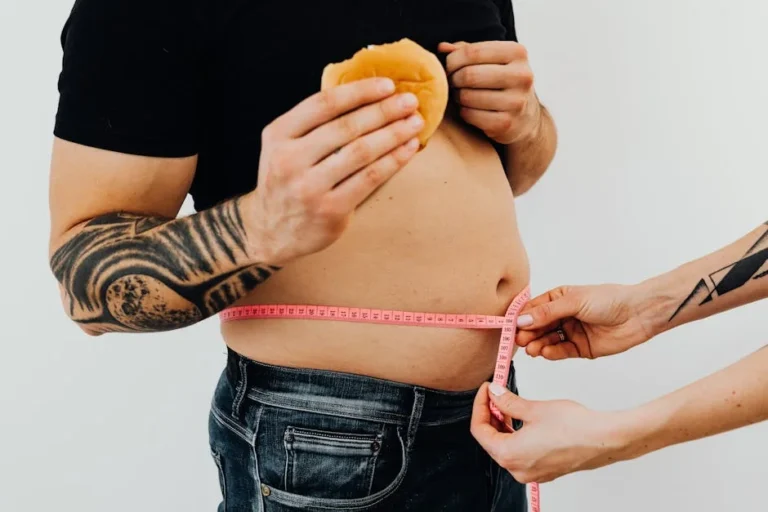

A fasting plan for weight loss is a structured approach to eating that alternates periods of food intake with planned periods of little to no caloric intake. The core idea is not simply “skipping meals,” but creating predictable windows that can help reduce overall calorie intake while supporting metabolic flexibility. Many people find that a consistent fasting routine makes it easier to manage portion sizes, reduce late-night snacking, and keep food decisions simpler. When planned well, a fasting plan for weight loss can also encourage more mindful food choices during eating windows, because there is a natural emphasis on making meals count. Over time, some individuals notice improved control over cravings, fewer impulsive snacks, and better awareness of hunger versus habit. The effectiveness varies by person, but the most reliable outcomes come from pairing fasting windows with nutrient-dense meals, adequate protein, and a sustainable schedule that fits work, family, and sleep patterns.
Table of Contents
- My Personal Experience
- Understanding a Fasting Plan for Weight Loss and Why It Works
- Choosing the Right Fasting Schedule: 12:12, 14:10, 16:8, and Beyond
- Setting Clear Goals and Tracking Progress Without Obsession
- What to Eat During Your Eating Window: Building Meals That Support Fat Loss
- Hydration, Electrolytes, and Beverages During Fasting
- Creating a Weekly Structure: Workdays, Weekends, and Social Events
- Exercise and a Fasting Plan for Weight Loss: Cardio, Strength Training, and Timing
- Expert Insight
- Managing Hunger, Cravings, and Plateaus Without Breaking the Routine
- Common Mistakes That Undermine Results and How to Fix Them
- Safety Considerations, Who Should Avoid Fasting, and When to Get Support
- Sample 7-Day Framework You Can Adapt to Your Life
- Long-Term Maintenance: Transitioning From Weight Loss to a Sustainable Lifestyle
- Frequently Asked Questions
My Personal Experience
I started a simple fasting plan for weight loss after realizing my constant snacking was adding up more than my actual meals. I eased into a 16:8 schedule—skipping breakfast, eating lunch around noon, and finishing dinner by 8 p.m.—and kept it consistent on weekdays. The first week was rough in the mornings, especially during my commute, but black coffee and water helped, and the hunger waves got less intense after a few days. What surprised me most was how much it cut down on mindless evening eating; I still had normal meals, just in a smaller window, and I focused on protein and vegetables so I didn’t feel deprived. After about a month, my weight started trending down steadily, and my energy felt more stable, but I also learned that if I tried to “make up” for fasting with huge dinners, the scale barely moved. It wasn’t a magic fix, but it gave me structure that finally made my eating habits feel manageable.
Understanding a Fasting Plan for Weight Loss and Why It Works
A fasting plan for weight loss is a structured approach to eating that alternates periods of food intake with planned periods of little to no caloric intake. The core idea is not simply “skipping meals,” but creating predictable windows that can help reduce overall calorie intake while supporting metabolic flexibility. Many people find that a consistent fasting routine makes it easier to manage portion sizes, reduce late-night snacking, and keep food decisions simpler. When planned well, a fasting plan for weight loss can also encourage more mindful food choices during eating windows, because there is a natural emphasis on making meals count. Over time, some individuals notice improved control over cravings, fewer impulsive snacks, and better awareness of hunger versus habit. The effectiveness varies by person, but the most reliable outcomes come from pairing fasting windows with nutrient-dense meals, adequate protein, and a sustainable schedule that fits work, family, and sleep patterns.

Physiologically, fasting influences hormones and energy use. During fasting, insulin levels tend to decrease, which can make it easier for the body to access stored energy. Meanwhile, many people experience changes in appetite-regulating hormones, such as ghrelin, that can stabilize with routine. A fasting schedule can also encourage the body to become more efficient at switching between using glucose and fat for fuel, sometimes called metabolic flexibility. That said, fat loss still depends on an overall energy deficit across days and weeks. A fasting plan for weight loss is not magic; it is a tool that can make the energy deficit easier to achieve, especially for people who struggle with constant grazing. The most successful approach avoids extremes, focuses on consistent habits, and emphasizes hydration, sleep, and meal quality. A well-designed fasting routine can be adjusted over time based on progress, stress levels, training demands, and individual health considerations.
Choosing the Right Fasting Schedule: 12:12, 14:10, 16:8, and Beyond
The best fasting plan for weight loss is the one that you can maintain without feeling deprived, distracted, or socially isolated. Common schedules include 12:12 (12 hours fasting, 12 hours eating), 14:10, 16:8, and 18:6. A 12:12 routine is often a gentle starting point because it typically aligns with an overnight fast: finishing dinner at 7:00 p.m. and eating breakfast at 7:00 a.m. A 14:10 schedule extends the overnight fast slightly, often by delaying breakfast or ending dinner earlier. Many people find 16:8 to be a sweet spot, because it provides a meaningful fasting window while still allowing two to three meals during the day. More aggressive patterns, such as 18:6 or one-meal-a-day, can work for some, but they can also backfire by increasing hunger, triggering overeating, or making it difficult to meet protein and micronutrient needs.
When selecting a fasting schedule, lifestyle matters as much as biology. If mornings are busy and you naturally prefer a later first meal, a midday eating window may feel effortless. If you train early and need fuel, a shorter fasting window or a post-workout meal may be more appropriate. Social events, family dinners, and work meetings can also influence timing. A sustainable fasting plan for weight loss should reduce friction, not create it. It can help to choose an eating window that includes at least one shared meal with family or friends, since social support improves adherence. Another key factor is sleep: late-night eating can interfere with sleep quality, and poor sleep can increase hunger and cravings the next day. Many people do well by setting the eating window earlier, such as 10:00 a.m. to 6:00 p.m., which naturally limits late-night snacking. The most practical approach is to start with a schedule that feels easy, hold it steady for two to four weeks, and then adjust based on hunger, energy, and results.
Setting Clear Goals and Tracking Progress Without Obsession
A fasting plan for weight loss works best when goals are specific, realistic, and tied to behaviors you can control. Scale weight is one metric, but it fluctuates due to water, digestion, and hormones. Instead of relying on daily weigh-ins alone, many people benefit from weekly averages, waist measurements, progress photos, and how clothes fit. If you are strength training, it is possible to lose fat while maintaining or even gaining muscle, which can make the scale move slowly even when body composition improves. Clear goals might include following a consistent fasting schedule five days per week, hitting a protein target daily, or preparing meals in advance to avoid impulsive eating. When the focus stays on repeatable actions, results tend to follow with less frustration and fewer “all-or-nothing” cycles.
Tracking can be helpful, but it should not become a source of stress. Some people thrive using a food journal or calorie tracking app for a few weeks to learn portion sizes and identify hidden calories from drinks, cooking oils, and snacks. Others prefer a simpler method: using a plate template (protein, vegetables, fiber-rich carbs, healthy fats) and keeping eating windows consistent. A fasting plan for weight loss can be derailed when eating windows become a free-for-all, so it helps to have a loose structure: two balanced meals and one planned snack, or three smaller meals, depending on your schedule. A practical approach is to review progress every two weeks. If weight and measurements are not changing, consider whether the eating window has quietly expanded, portions have increased, or weekends have become untracked “refeed” days that erase the weekday deficit. Adjustments should be small: shortening the eating window by one hour, adding 2,000 steps per day, or increasing protein at meals can be enough to restart progress without feeling restrictive.
What to Eat During Your Eating Window: Building Meals That Support Fat Loss
Meal quality determines whether a fasting plan for weight loss feels satisfying or miserable. During the eating window, prioritize protein, fiber, and minimally processed foods that keep hunger stable. Protein is particularly important because it supports muscle retention, improves satiety, and has a higher thermic effect than carbohydrates or fats. Many people do well aiming for a protein source at every meal: eggs, Greek yogurt, cottage cheese, chicken, turkey, fish, tofu, tempeh, beans, lentils, or lean beef. Fiber from vegetables, fruit, legumes, and whole grains helps slow digestion and supports gut health. Healthy fats from olive oil, avocado, nuts, seeds, and fatty fish can improve meal satisfaction, but portions matter because fats are calorie-dense. A balanced meal might look like a large salad with chicken, chickpeas, olive oil dressing, and fruit on the side, or a bowl with salmon, quinoa, roasted vegetables, and a yogurt-based sauce.
Carbohydrates are not the enemy in a fasting routine; the type and timing matter. Highly refined carbs and sugary snacks can spike appetite and make it harder to maintain a fasting window the next day. Instead, focus on carbs that provide steady energy: oats, potatoes, brown rice, whole-grain bread, fruit, and beans. If you exercise, placing a portion of carbs around training can improve performance and recovery, which helps preserve muscle while losing fat. Another key is planning for convenience. A fasting plan for weight loss often fails when people break the fast with whatever is easiest, such as pastries, fast food, or oversized takeout meals. Stocking quick, healthy options reduces that risk: pre-cooked proteins, frozen vegetables, bagged salads, microwaveable rice, and easy snacks like fruit and yogurt. If cravings are a challenge, include a controlled portion of a favorite food after a balanced meal, rather than using it as the first thing you eat. This approach supports consistency and helps prevent binge-restrict cycles.
Hydration, Electrolytes, and Beverages During Fasting
Hydration is one of the most overlooked components of a fasting plan for weight loss. Thirst can feel like hunger, especially during fasting windows, and mild dehydration can reduce energy and increase cravings. Water is the foundation, but unsweetened tea, black coffee, and sparkling water are common choices during fasting. Some people find that warm beverages help manage appetite, especially in the morning. Caffeine can be a useful tool, but it can also increase jitters or anxiety if intake is high, and it may disrupt sleep if consumed late in the day. Sleep disruption can indirectly slow fat loss by increasing hunger and reducing activity. A practical rule is to keep caffeine earlier and pay attention to how your body responds. If black coffee feels too harsh on an empty stomach, switching to tea or reducing strength can make fasting more comfortable.
Electrolytes matter, especially if fasting reduces overall food intake or if you sweat heavily. Sodium, potassium, and magnesium support fluid balance and normal muscle function. Some people experience headaches, fatigue, or lightheadedness during the first week of a fasting routine, which can be related to hydration and electrolytes rather than a lack of willpower. Adding a pinch of salt to water, drinking broth during the eating window, or choosing mineral-rich foods can help. If you exercise regularly, electrolyte needs may be higher. Beverages marketed as “zero calorie” can still trigger cravings for some people due to sweetness, even without sugar. If diet sodas or sweetened drinks make fasting harder, consider reducing them and leaning on plain sparkling water with citrus. A fasting plan for weight loss should feel manageable; if you constantly feel dizzy, weak, or unwell, the schedule may be too aggressive or your hydration strategy may need improvement. Comfort and adherence are not luxuries—they are what make results possible over time.
Creating a Weekly Structure: Workdays, Weekends, and Social Events
Consistency drives results, but rigid rules often break under real life. A fasting plan for weight loss becomes easier when it has a weekly rhythm that accounts for workdays, weekends, and social commitments. Many people choose a consistent fasting schedule Monday through Friday, then use a more flexible approach on weekends. Flexibility does not mean abandoning structure; it means choosing guardrails. For example, you might keep the same fasting window but allow one restaurant meal, or you might widen the eating window slightly while still avoiding late-night snacking. Social events are a common trigger for overeating, especially when you arrive very hungry. A helpful strategy is to break your fast with a protein-forward snack before events—something like yogurt, a protein shake, or a small meal—so you can make calmer choices later.
Planning meals in advance can reduce decision fatigue during the eating window. If you know what your first meal will be, you are less likely to break the fast impulsively with highly processed foods. Weekly meal prep does not have to be elaborate. Cooking two proteins, roasting a tray of vegetables, and preparing a carbohydrate base like rice or potatoes can cover most meals. Another approach is “ingredient prep,” where you wash and cut produce, portion snacks, and keep quick proteins on hand. A fasting plan for weight loss also benefits from planning around the hardest time of day. If late afternoons trigger snacking, schedule a balanced meal or snack at that time within your eating window. If evenings are the challenge, set a firm kitchen close time and create a non-food routine, such as tea and a walk. The goal is not perfection; it is designing a week where healthy choices require less effort than unhealthy ones.
Exercise and a Fasting Plan for Weight Loss: Cardio, Strength Training, and Timing
Exercise is not mandatory for fat loss, but it improves health, preserves lean mass, and can make a fasting plan for weight loss more effective and visually noticeable. Strength training is especially valuable because it signals the body to retain muscle while losing fat. A simple routine with compound movements—squats, hinges, presses, rows, and carries—performed two to four times per week can be enough. Cardio supports heart health and increases energy expenditure, but it can also increase appetite in some people. A balanced approach often works best: prioritize strength training, add moderate cardio, and include daily movement like walking. Walking is underrated because it is low stress, easy to recover from, and can be scaled up gradually. Many people find that increasing daily steps is one of the most sustainable ways to boost fat loss without feeling drained.
| Plan | How it works | Best for |
|---|---|---|
| 12:12 (Beginner) | Fast 12 hours, eat within a 12-hour window daily. | New to fasting, steady routine, fewer hunger spikes. |
| 16:8 (Most popular) | Fast 16 hours, eat within an 8-hour window (e.g., noon–8 pm). | Weight loss with simplicity; people who prefer skipping breakfast. |
| 5:2 (Calorie cycling) | Eat normally 5 days/week; 2 nonconsecutive days at ~500–600 calories. | Those who dislike daily fasting but can handle two low-calorie days. |
Expert Insight
Start with a sustainable fasting schedule like 12:12 or 14:10 for 1–2 weeks, then progress to 16:8 if energy and hunger stay manageable. Keep your eating window consistent day to day, and plan your first meal to include protein and fiber (e.g., eggs or Greek yogurt with berries, or chicken with vegetables) to curb cravings and reduce overeating later. If you’re looking for fasting plan for weight loss, this is your best choice.
During the fasting window, prioritize hydration and electrolytes: drink water regularly and consider adding a pinch of salt to water if you feel lightheaded, especially after exercise. In your eating window, aim for a calorie deficit without “making up” for the fast—build meals around lean protein, high-volume vegetables, and minimally processed carbs, and stop eating 2–3 hours before bed to improve appetite control. If you’re looking for fasting plan for weight loss, this is your best choice.
Timing exercise around fasting is personal. Some people enjoy training fasted, especially for low to moderate intensity workouts, and feel mentally sharp during the session. Others need fuel to perform well, particularly for heavy lifting or high-intensity intervals. If performance suffers, consider placing training near the start of the eating window so you can eat soon afterward. Post-workout nutrition does not need to be complicated, but protein is important. A meal with 25–40 grams of protein, plus carbs if needed for recovery, can support training adaptations. If you train early and your fasting window is later, you might choose a lighter fasting schedule such as 12:12 or 14:10, or you might include a small protein-focused meal earlier. A fasting plan for weight loss should support your life, not force you into a schedule that undermines training quality, recovery, or mood. If workouts feel consistently worse, sleep is poor, and hunger is extreme, adjust the fasting duration or the intensity of training rather than trying to “push through” indefinitely.
Managing Hunger, Cravings, and Plateaus Without Breaking the Routine
Hunger is not automatically a problem, but unmanaged hunger can derail a fasting plan for weight loss. The first week or two often includes an adjustment period where hunger signals feel louder at the times you used to eat. With routine, many people notice that hunger comes in waves and passes if they stay busy and hydrated. Breaking the fast with a balanced meal is one of the most effective ways to reduce cravings later. A meal that is mostly refined carbs can create a hunger rebound, while a meal with protein, fiber, and some fat tends to keep appetite steadier. Sleep and stress also matter. When sleep is short or stress is high, cravings increase, and fasting may feel harder. In those periods, shortening the fasting window temporarily can be a smart move that keeps the overall routine intact.
Plateaus happen even with a solid fasting schedule. Sometimes the body adapts by reducing non-exercise activity, or portions creep up during eating windows. The first step is to confirm whether it is a true plateau by checking trends over two to four weeks. If progress has stalled, consider small changes: add protein to meals, increase vegetable volume, reduce high-calorie “extras” like oils and sauces, or tighten the eating window slightly. Another option is adjusting weekly structure, such as keeping the fasting schedule consistent on weekends rather than loosening it. Increasing steps by 1,000–3,000 per day can also help without increasing hunger as much as intense cardio. A fasting plan for weight loss should not feel like constant escalation; it should feel like a stable baseline with occasional, strategic tweaks. If you repeatedly hit a plateau, it may be time to reassess calorie intake during eating windows, especially from liquid calories and snacks that do not feel filling. The goal is to keep the routine sustainable while removing the small leaks that slow progress.
Common Mistakes That Undermine Results and How to Fix Them
A frequent mistake with a fasting plan for weight loss is treating the eating window as a reward period. If fasting leads to oversized meals, frequent desserts, or grazing for the entire window, the calorie deficit disappears. Fixing this does not require extreme restriction; it requires structure. Many people do well with a clear meal plan: two main meals and one planned snack, or three meals without constant snacking. Another mistake is not eating enough protein and fiber. If meals are too small or too low in protein, hunger increases and adherence drops. Protein-forward meals are particularly helpful for people who feel ravenous after fasting. A third mistake is picking an overly aggressive fasting schedule too soon. Jumping into 18:6 or one-meal-a-day can cause fatigue, irritability, and binge episodes, especially if sleep and stress are not under control. Starting with a gentler schedule and building up often leads to better long-term results.
Another issue is ignoring weekend patterns. Five “good” days followed by two high-calorie days can erase the weekly deficit. This is where a realistic plan matters: decide in advance how you will handle restaurants, alcohol, and social gatherings. Alcohol deserves special attention because it adds calories, lowers inhibition, and can increase late-night snacking. If alcohol is part of your routine, consider limiting it to specific days, choosing lower-calorie options, and eating a protein-rich meal beforehand. A fasting plan for weight loss can also be undermined by poor sleep. Late-night screen time, caffeine too late in the day, and inconsistent bedtime routines can increase hunger hormones and reduce motivation to move. Fixing sleep can improve results even without changing the fasting schedule. Finally, some people rely too heavily on “fasting-friendly” processed foods and sweeteners. If these foods keep cravings high, shift toward whole foods and simpler meals. The best fix is usually not more willpower; it is a better system.
Safety Considerations, Who Should Avoid Fasting, and When to Get Support
While many adults can use a fasting plan for weight loss safely, it is not appropriate for everyone. People with a history of eating disorders, those who are pregnant or breastfeeding, and individuals with certain medical conditions should avoid fasting unless guided by a qualified clinician. Anyone taking medications that affect blood sugar, such as insulin or certain diabetes drugs, should consult a healthcare professional before starting a fasting routine, because fasting can increase the risk of hypoglycemia. If you have chronic conditions like kidney disease, gout, or significant gastrointestinal issues, fasting may require modifications. Safety also includes mental well-being. If fasting triggers anxiety, obsession, or binge-restrict patterns, a different approach to nutrition may be more supportive. Weight loss is not only about physiology; it is also about psychology and sustainability.
Warning signs that a fasting routine needs adjustment include persistent dizziness, fainting, heart palpitations, severe fatigue, inability to concentrate, or escalating irritability. These can be signs that the fasting window is too long, calorie intake is too low, electrolytes are off, or sleep is insufficient. In many cases, the solution is to shorten the fasting period, add a balanced snack, or ensure meals contain enough protein, carbs, and healthy fats. It can also help to work with a registered dietitian, especially if you have specific performance goals, a complex medical history, or repeated plateaus. A fasting plan for weight loss should improve your relationship with food and your daily energy, not create constant distress. The safest, most effective plans are flexible, individualized, and built around health markers beyond the scale, such as strength, endurance, blood work, and overall quality of life.
Sample 7-Day Framework You Can Adapt to Your Life
A practical way to start a fasting plan for weight loss is to choose a moderate schedule and pair it with simple meal structure. For many people, 14:10 or 16:8 works well. As an example, you might set an eating window from 10:00 a.m. to 6:00 p.m. or from 12:00 p.m. to 8:00 p.m., depending on your social routine and sleep. Day 1 through Day 3 can focus on consistency: break the fast with a protein-rich meal, include a second balanced meal later, and add a planned snack if needed. Meals might include eggs with vegetables and whole-grain toast, a large salad with chicken or tofu, a bowl with beans and rice plus vegetables, or Greek yogurt with fruit and nuts. The key is to avoid breaking the fast with sugary foods that spike hunger. Hydration should be steady throughout the day, and caffeine should be kept earlier if sleep is sensitive.
Day 4 through Day 7 can emphasize sustainability. Include one social meal without turning it into an unstructured binge. If you go out to eat, choose a meal built around protein and vegetables, then decide in advance whether dessert fits your goals. If weekends tend to be less structured, keep the fasting window consistent but allow a slightly larger meal, or maintain meal quality even if timing shifts by an hour. If training is part of your routine, place workouts near the start of the eating window so recovery meals are easy to include. A useful approach is to repeat meals you enjoy, rather than chasing novelty. Repetition reduces decision fatigue and makes it easier to stay consistent. Over time, you can adjust the plan based on results: if hunger is low and progress is steady, keep it as is; if hunger is high, consider a shorter fast; if progress stalls, tighten portions or reduce high-calorie extras. A fasting plan for weight loss is most effective when it feels like a routine you could follow for months, not a temporary challenge.
Long-Term Maintenance: Transitioning From Weight Loss to a Sustainable Lifestyle
Reaching a goal weight is only part of the journey; maintaining results requires a long-term structure that prevents gradual regain. A fasting plan for weight loss can transition into a maintenance routine by widening the eating window slightly, increasing calories with nutrient-dense foods, and keeping the habits that made the process successful. Many people maintain well on 12:12 or 14:10 after reaching their target, especially if they continue prioritizing protein, fiber, and regular movement. Maintenance is also a time to focus on strength training and performance goals, which can shift attention away from the scale and toward what your body can do. This mindset change is important because it reduces the urge to over-restrict after normal fluctuations. A stable routine that includes consistent meal timing, a predictable grocery list, and regular sleep can be more effective than constantly experimenting with new tactics.
To maintain results, it helps to identify your personal “non-negotiables.” These might include a consistent kitchen close time, a protein target, a minimum step count, or a weekly meal prep session. Another strategy is using a “range” rather than a single number for weight, which reduces stress and helps you respond early if weight creeps up. If you notice a trend upward for two to three weeks, you can temporarily return to the stricter version of your fasting schedule, tighten portions, or reduce alcohol and snacks until you are back in your preferred range. Maintenance also benefits from periodic breaks from dieting. If you have been in a calorie deficit for months, a controlled maintenance phase can restore energy, support training, and make the routine feel easier. Ultimately, the best fasting plan for weight loss is one that evolves into a comfortable lifestyle: consistent enough to keep results, flexible enough to enjoy holidays and social events, and grounded in habits that support health for years rather than weeks.
Summary
In summary, “fasting plan for weight loss” is a crucial topic that deserves thoughtful consideration. We hope this article has provided you with a comprehensive understanding to help you make better decisions.
Frequently Asked Questions
What fasting schedule works best for weight loss?
Common options are 16:8 (fast 16 hours, eat within 8), 14:10 for beginners, or 5:2 (2 lower-calorie days per week). The best plan is the one you can follow consistently while maintaining a calorie deficit. If you’re looking for fasting plan for weight loss, this is your best choice.
How do I start a fasting plan safely?
Begin with a 12:12 or 14:10 schedule for 1–2 weeks, keep meals balanced (protein, fiber, healthy fats), stay hydrated, and adjust gradually. Stop if you feel unwell and seek medical advice if you have health conditions. If you’re looking for fasting plan for weight loss, this is your best choice.
What can I consume during the fasting window?
When you’re following a **fasting plan for weight loss**, stick to zero-calorie drinks like water, sparkling water, black coffee, and unsweetened tea to stay on track. If you want to keep your fast strict, skip anything with calories—such as sugar, milk or cream, juice, and alcohol—since they can break the fast and slow your progress.
What should I eat during the eating window to lose weight?
Focus your meals on protein, plenty of vegetables, whole grains or legumes, and other minimally processed foods. Pair this approach with a modest calorie deficit, cut back on ultra-processed snacks, and make sure you’re getting enough protein to help preserve muscle—especially if you’re following a **fasting plan for weight loss**.
Will fasting cause muscle loss?
Muscle loss risk is lower if you eat enough protein, do resistance training, and avoid overly aggressive calorie deficits. If weight loss is very rapid or protein/training are lacking, muscle loss is more likely. If you’re looking for fasting plan for weight loss, this is your best choice.
Who should avoid fasting for weight loss?
People who are pregnant/breastfeeding, under 18, have a history of eating disorders, or have certain medical conditions (e.g., diabetes on medications, low blood pressure) should avoid fasting or do it only with clinician guidance. If you’re looking for fasting plan for weight loss, this is your best choice.
📢 Looking for more info about fasting plan for weight loss? Follow Our Site for updates and tips!