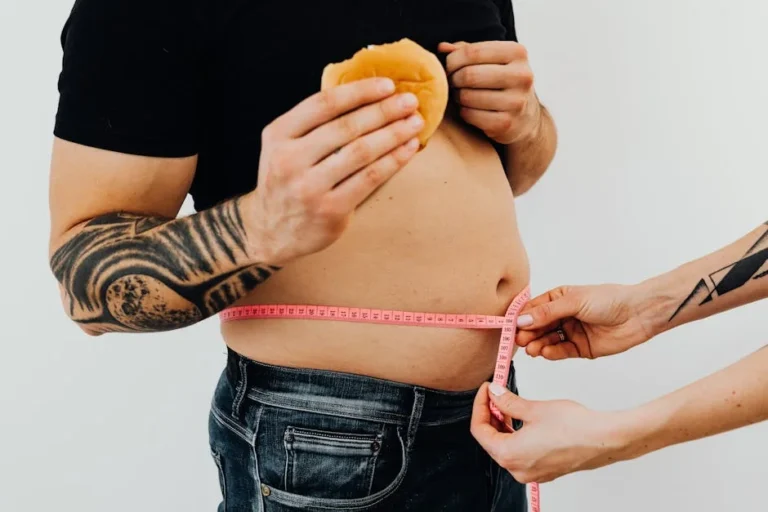

An intermittent fasting meal plan is less about “going on a diet” and more about organizing when you eat so your meals fit inside a defined eating window. Instead of grazing from morning to night, you cycle between periods of eating and periods of fasting, which can help many people feel more in control of appetite and daily routines. When meals are clustered into fewer hours, food choices often become more deliberate because there are fewer chances to snack mindlessly. That structure is one reason an intermittent fasting meal plan can feel simpler than counting every calorie. It is also flexible: some people prefer a daily schedule like 16:8 (fast for 16 hours, eat for 8), while others use 14:10, 18:6, or periodic approaches such as 5:2. The “best” schedule is the one that matches your workday, training schedule, family meals, and sleep patterns so it can be repeated for weeks without feeling like punishment.
Table of Contents
- My Personal Experience
- Understanding an Intermittent Fasting Meal Plan and Why It Works
- Choosing the Right Fasting Schedule for Your Lifestyle
- Core Nutrition Rules That Make the Plan Effective
- How to Build Your Eating Window: Two Meals vs. Three Meals
- 7-Day Intermittent Fasting Meal Plan (16:8) With Realistic Portions
- Intermittent Fasting Meal Plan for Weight Loss Without Feeling Deprived
- Intermittent Fasting Meal Plan for Muscle Gain and Training Performance
- Expert Insight
- Vegetarian and Vegan Options That Still Hit Protein Targets
- Grocery List and Meal Prep System for Consistency
- Managing Hunger, Energy, and Cravings During the Fast
- Common Mistakes That Stall Progress and How to Fix Them
- Safety, Special Considerations, and Making It Sustainable Long Term
- Watch the demonstration video
- Frequently Asked Questions
- Trusted External Sources
My Personal Experience
When I started intermittent fasting, I kept it simple with a 16:8 schedule—black coffee and water in the morning, then my first meal around noon. My “meal plan” wasn’t fancy, but it was consistent: lunch was usually a big salad with chicken or tuna, olive oil, and something filling like quinoa or beans, and dinner was a normal plate of protein, roasted vegetables, and rice or potatoes. If I needed a snack in my eating window, I’d do Greek yogurt with berries or a handful of nuts so I didn’t end up raiding the pantry at night. The first week was the hardest because I was used to breakfast, but after a couple of weeks my hunger felt more predictable, and planning two solid meals made it easier to stay on track without obsessing over calories. If you’re looking for intermittent fasting meal plan, this is your best choice.
Understanding an Intermittent Fasting Meal Plan and Why It Works
An intermittent fasting meal plan is less about “going on a diet” and more about organizing when you eat so your meals fit inside a defined eating window. Instead of grazing from morning to night, you cycle between periods of eating and periods of fasting, which can help many people feel more in control of appetite and daily routines. When meals are clustered into fewer hours, food choices often become more deliberate because there are fewer chances to snack mindlessly. That structure is one reason an intermittent fasting meal plan can feel simpler than counting every calorie. It is also flexible: some people prefer a daily schedule like 16:8 (fast for 16 hours, eat for 8), while others use 14:10, 18:6, or periodic approaches such as 5:2. The “best” schedule is the one that matches your workday, training schedule, family meals, and sleep patterns so it can be repeated for weeks without feeling like punishment.

Physiologically, fasting windows tend to lower circulating insulin for a stretch of time, which can support better metabolic flexibility—your body’s ability to switch between using stored energy and energy from food. That said, the real-world results depend heavily on what you eat when the window opens. A well-designed intermittent fasting meal plan prioritizes protein, fiber, and micronutrients so you feel satisfied, preserve lean mass, and avoid rebound hunger that leads to overeating. It also respects hydration and electrolytes, because “fasting” does not mean ignoring basic needs like water and sodium. Many people succeed by planning two substantial meals and one snack, or two meals only, depending on their calorie needs. The goal is not to starve; the goal is to eat enough nutritious food in a consistent rhythm that supports your health, training, and energy.
Choosing the Right Fasting Schedule for Your Lifestyle
The most sustainable intermittent fasting meal plan starts by selecting a fasting schedule you can follow on your busiest days, not just on ideal days. A common starting point is 12:12 or 14:10, which simply tightens the eating window without making mornings or evenings feel extreme. If that feels comfortable, many transition to 16:8, such as eating from 12:00 p.m. to 8:00 p.m. The benefit of starting gently is that it gives your appetite hormones and routines time to adapt. People who jump immediately to long fasts can end up with headaches, irritability, and intense cravings that make the plan feel impossible. A thoughtful schedule also considers sleep; if you routinely sleep at 10:30 p.m., a late-night eating window may interfere with rest and recovery. Aligning your eating window with daylight and your natural hunger patterns often makes compliance easier.
Work and social life matter just as much as biology. If you have family dinners at 6:30 p.m., it may be easier to skip breakfast and eat lunch and dinner than it is to stop eating in the afternoon. If you train early in the morning, you might prefer an earlier eating window so your post-workout meal happens sooner, or you might keep the fast and use a strategy like black coffee and water until the window opens. An intermittent fasting meal plan can be adjusted around travel days, night shifts, and weekends by keeping the “anchor meal” consistent—often dinner—and shifting the second meal as needed. Consistency is powerful, but rigidity can backfire. Many people do well with a weekday routine and a slightly expanded weekend window, provided total food quality remains high and “weekend compensation” does not erase the week’s progress.
Core Nutrition Rules That Make the Plan Effective
Even the most perfectly timed intermittent fasting meal plan will struggle if meals are built around ultra-processed foods that spike hunger and leave you undernourished. The foundation should be protein, high-fiber carbohydrates, healthy fats, and colorful produce. Protein is especially critical because fasting compresses the number of eating opportunities; each meal needs enough protein to support muscle repair and satiety. Many people aim for a protein-rich centerpiece—chicken, fish, lean beef, tofu, tempeh, Greek yogurt, eggs, lentils, or beans—and then add vegetables, whole grains, fruit, nuts, or olive oil. Fiber from vegetables, legumes, oats, and berries helps blunt appetite swings and supports gut health, which can influence cravings. Healthy fats improve flavor and satisfaction, but portion awareness matters because fats are calorie-dense and can quietly push your intake higher than intended.
Meal timing does not replace basic nutrition fundamentals like micronutrients and hydration. A practical intermittent fasting meal plan includes potassium and magnesium sources (leafy greens, beans, yogurt, bananas, pumpkin seeds) and adequate sodium, particularly if you sweat or exercise. People sometimes misinterpret fasting as “no electrolytes,” then feel dizzy or fatigued. Water, mineral water, and unsweetened tea are typically compatible with fasting, and many find a pinch of salt in water helpful during longer fasts. Another key rule is to avoid “saving up” your calories for one massive meal that leaves you overly full and then hungry again later. Two balanced meals often work better than one huge meal because they distribute protein and fiber across the window. If your goal is fat loss, the plan still needs enough food to prevent binge cycles; if your goal is performance, meals should be larger and carbohydrate timing more intentional.
How to Build Your Eating Window: Two Meals vs. Three Meals
A practical intermittent fasting meal plan can be built around either two meals or three eating events (two meals plus a snack). Two-meal structures often suit 16:8 schedules: a substantial first meal when the window opens and a second meal a few hours before fasting begins. This can feel clean and simple, and many people like the reduced decision fatigue. The challenge is that each meal must carry more nutritional weight. If you struggle to eat enough protein or vegetables in two sittings, adding a snack can make the plan healthier and more comfortable. For example, a snack such as Greek yogurt with berries, a protein shake, or hummus with vegetables can bridge the gap between meals without turning the window into constant grazing. The best structure is the one that keeps hunger steady and prevents “panic eating” at the end of the day.
Three-eating-event plans can also support training and recovery. If you lift weights or do high-intensity workouts, spacing protein across the window can help you hit daily targets more easily. A sample pattern might be a protein-forward lunch, a mid-afternoon snack with protein and fiber, and a balanced dinner with vegetables and carbohydrates. The key is to plan the snack intentionally rather than letting it become a random collection of packaged foods. An intermittent fasting meal plan works well when the window feels nourishing and calm, not chaotic. If your schedule changes daily, you can still keep the structure: decide the window first, then decide whether you need two or three eating events based on your hunger and activity. Over time, you’ll learn whether you feel best with a larger first meal or a larger dinner, and you can adjust portion sizes while keeping the same foods and preparation methods.
7-Day Intermittent Fasting Meal Plan (16:8) With Realistic Portions
The following 7-day intermittent fasting meal plan assumes an eating window of roughly 12:00 p.m. to 8:00 p.m., with two meals and an optional snack. Portions should be adjusted to your calorie needs, but each day is designed to deliver protein, fiber, and micronutrients in a way that supports satiety. Day 1: First meal—turkey or tofu bowl with quinoa, mixed greens, cucumber, tomatoes, olive oil, and lemon; add a piece of fruit. Snack—Greek yogurt or soy yogurt with berries and chia seeds. Dinner—salmon or tempeh, roasted sweet potato, and broccoli with garlic. Day 2: First meal—egg or chickpea scramble with spinach, mushrooms, and whole-grain toast; side of fruit. Snack—cottage cheese or edamame with sliced peppers. Dinner—lean beef or lentil chili with beans, onions, and tomatoes; side salad. Day 3: First meal—chicken or seitan wrap with whole-grain tortilla, avocado, lettuce, and salsa; side of carrots. Snack—protein smoothie with milk or plant milk, banana, and peanut butter. Dinner—shrimp or tofu stir-fry with mixed vegetables and brown rice.
Day 4: First meal—tuna or white bean salad with olive oil, herbs, and a heap of greens; whole-grain crackers. Snack—nuts plus an apple. Dinner—roast chicken or baked tofu, quinoa or farro, and roasted Brussels sprouts. Day 5: First meal—overnight oats made with high-protein milk, cinnamon, berries, and a scoop of protein (optional); side of hard-boiled eggs or a tofu snack. Snack—hummus with cucumbers and cherry tomatoes. Dinner—turkey meatballs or lentil “meatballs” with marinara over zucchini noodles or whole-grain pasta; side salad. Day 6: First meal—Greek salad with chicken or chickpeas, feta (optional), olives, and olive oil; add pita. Snack—protein bar with minimal added sugar or a yogurt bowl. Dinner—cod or cauliflower tacos with cabbage slaw and black beans. Day 7: First meal—rice bowl with leftover protein, sautéed vegetables, and a simple sauce; fruit. Snack—dark chocolate square plus strawberries and a handful of nuts. Dinner—steak or portobello mushrooms, baked potato, and asparagus. This intermittent fasting meal plan stays flexible: swap proteins, rotate vegetables, and keep the structure consistent so planning remains easy.
Intermittent Fasting Meal Plan for Weight Loss Without Feeling Deprived
If fat loss is the goal, an intermittent fasting meal plan should emphasize fullness per calorie rather than extreme restriction. That means prioritizing lean proteins, high-volume vegetables, and minimally processed carbohydrates that keep you satisfied. A common mistake is opening the eating window with something light and sugary, then spending the rest of the window chasing hunger. A better approach is to break the fast with a balanced meal that includes at least 25–40 grams of protein (depending on your size and needs), a generous serving of vegetables, and a moderate portion of starch or fruit. Think grilled chicken with a large salad and roasted potatoes, or tofu with stir-fried vegetables and rice. This kind of meal stabilizes appetite and reduces the urge to snack impulsively. If you enjoy treats, incorporate them intentionally in small portions after a protein-rich meal, not as the first food of the day.
Another effective strategy is to create “default meals” you repeat. Decision fatigue leads to overeating, especially when the eating window feels short and urgent. A weight-loss-friendly intermittent fasting meal plan might rely on three or four go-to lunches and dinners that are easy to batch cook: chili, sheet-pan chicken and vegetables, lentil curry, turkey taco bowls, or salmon with vegetables. Keep snacks optional; use them only if hunger is real and not just habit. If you do snack, choose options that support your target: yogurt with berries, a protein shake, edamame, or vegetables with hummus. Also watch liquid calories during the eating window—sweetened coffee drinks, juices, and alcohol can quickly wipe out the deficit while doing little for satiety. Sustainable fat loss comes from consistency, not perfection, so plan for social meals by keeping other meals simpler rather than trying to “make up for it” with overly aggressive fasting that triggers rebound eating.
Intermittent Fasting Meal Plan for Muscle Gain and Training Performance
Building muscle on an intermittent fasting meal plan is possible, but it requires more intentional meal composition. The main challenge is fitting sufficient calories and protein into a shorter window without digestive discomfort. Many people aiming for muscle gain do better with a slightly longer eating window such as 10 hours (14:10) or even 12 hours, especially during heavy training blocks. Protein distribution matters: rather than saving all protein for dinner, aim for two or three protein feedings that each hit a meaningful dose. For many trainees, that means at least 30–50 grams of protein per meal, depending on body size. Carbohydrates also support training performance, particularly for high-volume lifting, running, or team sports. Including rice, potatoes, oats, fruit, or whole-grain bread can improve workout quality and recovery.
| Plan Option | Best For | Sample Meal Timing & Ideas |
|---|---|---|
| 16:8 (Time-Restricted Eating) | Beginners who want a sustainable daily routine | Eating window: 12pm–8pm Meals: 12pm protein + veggies + whole grains; 3pm Greek yogurt/fruit; 7pm salmon/chicken, salad, olive oil |
| 5:2 (Two Lower-Calorie Days) | People who prefer flexibility on most days | Normal days: balanced meals as usual Low days: 500–600 kcal split into 2 meals (e.g., veggie omelet + salad; soup + lean protein) |
| OMAD (One Meal a Day) | Experienced fasters who can meet nutrition needs in one sitting | Eating window: ~1 hour (e.g., 6pm–7pm) Meal: large plate with lean protein, fibrous carbs, healthy fats + fruit; prioritize hydration and electrolytes |
Expert Insight
Build your intermittent fasting meal plan around a consistent eating window (for example, 12–8 p.m.) and pre-plan two balanced meals plus an optional snack. Aim for each meal to include a palm-sized portion of protein, a fist of high-fiber carbs (beans, oats, fruit, or whole grains), and at least two fists of non-starchy vegetables to stay full and steady your energy.
Make the fasting hours easier by prioritizing hydration and electrolytes: drink water regularly, add a pinch of salt to a glass of water if you feel lightheaded, and choose unsweetened tea or black coffee if tolerated. Break your fast with a moderate, protein-forward meal (not a sugary snack) to reduce cravings and prevent overeating later. If you’re looking for intermittent fasting meal plan, this is your best choice.
Timing around workouts can be adjusted without breaking the overall structure. If you train during the fasting period and feel weak, consider moving the eating window earlier, or plan your workout near the start of the window so your post-workout meal happens soon. A sample muscle-focused intermittent fasting meal plan might look like this: first meal—large bowl with lean protein, rice or pasta, vegetables, and olive oil; snack—protein shake plus a banana and nuts; dinner—another high-protein meal with potatoes and vegetables, plus a bedtime-friendly option like yogurt if it fits the window. Hydration and electrolytes are especially important because performance can drop if you’re under-hydrated during the fast. Finally, avoid turning fasting into an excuse to under-eat. If scale weight and gym performance stall for weeks, you likely need more calories, not a tighter window. The fasting schedule should serve training goals, not compete with them.
Vegetarian and Vegan Options That Still Hit Protein Targets
A plant-forward intermittent fasting meal plan can work extremely well when protein sources are chosen strategically. The key is to rely on more than just salads and fruit; plant-based fasting succeeds when meals include legumes, soy foods, and protein-rich grains. Tofu, tempeh, edamame, lentils, chickpeas, black beans, and textured vegetable protein are reliable staples. Seitan is another high-protein option for those who tolerate gluten. Pair these proteins with vegetables and a carbohydrate base like brown rice, quinoa, oats, or potatoes to create meals that are both satisfying and performance-friendly. Because plant proteins can be less concentrated than animal proteins, portion sizes often need to be larger, and you may need to include protein in both meals and the snack to reach a daily target. A smoothie made with soy milk, a scoop of plant protein, and fruit can be an easy way to increase intake without feeling overly full.
Micronutrients deserve extra attention in a vegetarian or vegan intermittent fasting meal plan. Iron, B12, iodine, calcium, zinc, and omega-3 fats can be harder to obtain, so it helps to plan meals that include fortified foods and diverse whole-food sources. For example, include fortified plant milk, nutritional yeast, iodized salt, chia or ground flax, walnuts, and plenty of leafy greens. If your fasting schedule reduces meal frequency, you have fewer chances to “accidentally” cover nutrient gaps, so planning becomes more important. A sample day could be: first meal—tempeh stir-fry with mixed vegetables and rice; snack—soy yogurt with berries and pumpkin seeds; dinner—lentil pasta with marinara, spinach, and a side salad with olive oil. Keep flavors varied with herbs, spices, citrus, and vinegar so the plan feels enjoyable. Enjoyment matters because consistency is what makes an intermittent fasting meal plan effective over months, not just for a week.
Grocery List and Meal Prep System for Consistency
Consistency is easier when your kitchen is stocked for your intermittent fasting meal plan. A smart grocery list includes proteins, high-fiber carbohydrates, vegetables, fruits, and a few flavor builders. Protein options: chicken breast or thighs, canned tuna or salmon, eggs, Greek yogurt, cottage cheese, tofu, tempeh, beans, lentils, and a protein powder you tolerate. Carbohydrates: oats, rice, quinoa, potatoes, whole-grain bread or tortillas, and pasta (regular or legume-based). Vegetables: a mix of fresh and frozen so you always have options—broccoli, spinach, peppers, onions, mixed stir-fry blends, salad greens, carrots, and tomatoes. Fruits: bananas, apples, berries, citrus. Fats and flavor: olive oil, avocado, nuts, seeds, salsa, mustard, garlic, soy sauce, vinegar, spices, and low-sugar marinara. With these basics, you can assemble dozens of meals without complicated recipes.
A simple prep system reduces the stress of opening your eating window with no plan. Choose two proteins to batch cook (for example, sheet-pan chicken and baked tofu), one or two carbohydrate bases (rice and roasted potatoes), and a large container of chopped vegetables or salad. Store sauces separately so meals don’t get soggy. This approach lets you build bowls, wraps, salads, and stir-fries in minutes, which is ideal for an intermittent fasting meal plan because the window can feel short on busy days. If you prefer variety, rotate seasonings: Mexican-style taco bowls one day, Mediterranean bowls the next, then an Asian-inspired stir-fry. Keep a few “emergency” options—frozen vegetables, canned beans, and canned fish—so you can still eat well without ordering takeout. When meal prep is simple, fasting becomes a routine rather than a daily negotiation with hunger and time.
Managing Hunger, Energy, and Cravings During the Fast
Hunger during the fasting period is common at first, but it often becomes more manageable when your intermittent fasting meal plan is balanced and your routine is consistent. Many people experience “habit hunger” at the times they used to snack or eat breakfast, and it tends to fade after a week or two. During the transition, hydration helps. Water, sparkling water, black coffee, and unsweetened tea can reduce the sensation of emptiness and provide a small ritual that replaces snacking. Electrolytes also matter; lightheadedness is sometimes a sign you need more fluids and sodium, not more willpower. Sleep is another major factor. Poor sleep increases hunger hormones and cravings, making fasting feel harder. If fasting is consistently miserable, the schedule may be too aggressive; shifting from 18:6 to 16:8 or from 16:8 to 14:10 can dramatically improve adherence without eliminating the benefits of structure.
Cravings often reflect what your meals are missing. If you crave sweets, you may be under-eating protein at your first meal. If you crave chips or salty snacks, you might need more satisfying carbohydrates or more sodium, especially if you exercise. A well-planned intermittent fasting meal plan prevents these issues by ensuring meals include protein, fiber, and some fat. Another useful tactic is to avoid breaking the fast with highly palatable snack foods. Opening the window with cookies or chips can trigger a “can’t stop” feeling because those foods are engineered to be easy to overeat. Start with a real meal, then decide whether you still want a treat after you’re nourished. If you deal with afternoon energy crashes, check whether your first meal is too low in calories or too low in carbohydrates. People often blame fasting when the real issue is an underpowered lunch followed by a long gap until dinner.
Common Mistakes That Stall Progress and How to Fix Them
One of the most common mistakes with an intermittent fasting meal plan is treating the eating window like a free-for-all. Fasting can reduce opportunities to eat, but it does not automatically guarantee a calorie deficit or a balanced diet. If you routinely break the fast with large amounts of ultra-processed foods, you may consume more calories than you would on a regular schedule, and you may feel hungrier because those foods are less filling. Another mistake is under-eating protein and then wondering why cravings are intense at night. Compressed eating windows make protein planning more important, not less. A third pitfall is inconsistent timing: shifting the window dramatically day to day can keep hunger cues chaotic. Flexibility is fine, but a consistent anchor—like always eating dinner—helps your body anticipate meals and makes the plan easier.
Stalls also happen when people ignore recovery and stress. High stress elevates cravings and can lead to late-night eating even if your window is “closed.” If your intermittent fasting meal plan is causing you to skip social meals or feel anxious about timing, it may not be the right tool right now. Another common issue is relying too heavily on caffeine to push through the fast, then feeling jittery and overeating later. Moderate caffeine can help, but it should not replace adequate food during the eating window. Finally, people sometimes forget that activity levels change. If you start training harder, you may need a larger first meal or an added snack. If you become more sedentary, you may need slightly smaller portions. Fixes are usually simple: increase protein, add vegetables, plan the first meal, keep the window consistent most days, and track a few days of intake to confirm you are eating in a way that matches your goals.
Safety, Special Considerations, and Making It Sustainable Long Term
An intermittent fasting meal plan is not appropriate for everyone. People with a history of eating disorders, those who are pregnant or breastfeeding, individuals with certain medical conditions, and anyone taking medications that require food timing should consult a qualified clinician before adopting fasting. For people with diabetes or blood sugar management issues, fasting can interact with medications and increase the risk of hypoglycemia, so professional guidance is essential. Even for generally healthy adults, sustainability should be the priority. If your fasting schedule consistently disrupts sleep, harms training performance, or leads to binge-restrict cycles, it is a signal to adjust. A slightly longer eating window or a different approach—like regular meal timing with higher protein—may deliver better results with less stress. Health improvements come from habits you can keep, not from white-knuckling through daily discomfort.
Long-term success usually comes from treating your intermittent fasting meal plan as a framework rather than a rigid rulebook. Build a few reliable meal templates, keep convenient staples available, and allow flexibility for special events. If you have a late dinner out, you can shift the next day’s window later or simply return to your usual schedule without “punishing” yourself with an extra-long fast. Pay attention to performance markers beyond the scale: energy, digestion, strength, mood, and sleep. If those improve, the plan is likely working for you. If they worsen, adjust the window, meal size, or food choices. The most effective intermittent fasting meal plan is the one that keeps you nourished, supports your daily life, and feels repeatable. When your meals are satisfying and your schedule is realistic, fasting becomes a helpful rhythm rather than a constant battle, and an intermittent fasting meal plan can remain a steady part of your routine for the long haul.
Watch the demonstration video
Discover how to build an intermittent fasting meal plan that fits your schedule and goals. This video explains common fasting windows, what to eat during your eating period, and how to balance protein, fiber, and healthy fats for steady energy. You’ll also get simple meal ideas and tips to avoid overeating and cravings.
Summary
In summary, “intermittent fasting meal plan” is a crucial topic that deserves thoughtful consideration. We hope this article has provided you with a comprehensive understanding to help you make better decisions.
Frequently Asked Questions
What is an intermittent fasting meal plan?
An **intermittent fasting meal plan** helps you organize what you’ll eat during a set eating window (like 8 hours) while fasting the rest of the day, so you can stay on track and still prioritize nutrient-dense foods that meet your calorie and protein goals.
Which intermittent fasting schedule is best for beginners?
Starting with a 12:12 or 14:10 schedule is often the simplest way to ease in, and once it feels comfortable, you can gradually transition to 16:8 as part of an intermittent fasting meal plan that’s sustainable for you.
What should I eat during my eating window?
Build your **intermittent fasting meal plan** around filling, muscle-supporting foods: prioritize protein like lean meats, eggs, tofu, and Greek yogurt, add fiber-rich carbs such as vegetables, fruit, legumes, and whole grains to keep hunger in check, and round it out with healthy fats like olive oil, nuts, and avocado for lasting satisfaction.
Can I drink anything during the fasting window?
Yes—during your fasting window, stick with zero-calorie drinks like water, plain sparkling water, black coffee, and unsweetened tea. To keep your fast (and your **intermittent fasting meal plan**) on track, skip anything with calories, sugar, milk, or added creamers, since those can break the fast.
How many meals should I eat on intermittent fasting?
Most people do 2 meals (and optionally 1 snack) within the eating window; the best setup is the one that helps you hit your protein, fiber, and calorie goals consistently. If you’re looking for intermittent fasting meal plan, this is your best choice.
Is intermittent fasting safe for everyone?
It may not be appropriate for people who are pregnant/breastfeeding, have a history of eating disorders, are underweight, or have certain medical conditions (e.g., diabetes on medication); consult a clinician if unsure. If you’re looking for intermittent fasting meal plan, this is your best choice.
📢 Looking for more info about intermittent fasting meal plan? Follow Our Site for updates and tips!

Trusted External Sources
- Intermittent Fasting Diet Plan: 7-Day Meal Guide – Berry Street
Mar 22, 2026 … This 7-day meal plan follows the 16/8 intermittent fasting approach, with an eating window from 12:00 PM to 8:00 PM. Each meal is packed with nutrients. If you’re looking for intermittent fasting meal plan, this is your best choice.
- Beginner Intermittent Fasting Meal Plan: Benefits & Tips for Success
Start with the popular 16:8 approach: fast for 16 hours, then eat during an 8-hour window that fits your daily routine. The easiest way is to time your fast so most of it happens overnight, then choose a consistent start and end time for meals. As you get comfortable, you can fine-tune your intermittent fasting meal plan to match your schedule, energy levels, and goals.
- 16/8 Intermittent Fasting: Meal Plan, Benefits, and More – Healthline
As of Aug 1, 2026, the 16/8 approach to intermittent fasting means you’ll eat and drink any calorie-containing items only within an 8-hour window each day, then fast for the remaining 16 hours—an easy structure to follow with a well-designed **intermittent fasting meal plan**.
- Is a Beginner Intermittent Fasting Meal Plan Right for You in 2026 …
Jan 26, 2026 … A 2026 guide that helps you judge whether a beginner intermittent fasting meal plan fits your life, how it really works, what results to …
- What Can I Eat on Intermittent Fasting Meal Plan? – Ideal Nutrition
At 12 p.m., kick off your **intermittent fasting meal plan** with a satisfying mixed-greens salad topped with chickpeas, creamy avocado, and a tangy vinaigrette, alongside grilled salmon and a side of brown rice. Then, at 7 p.m., wrap up your day with a comforting bowl of vegetable lentil soup and finish with Greek yogurt for an easy, protein-rich close.