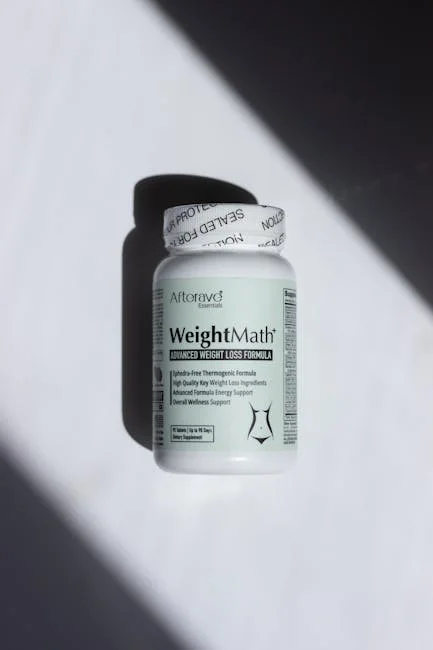

Intermittent fasting for weight loss refers to a structured eating pattern that alternates between periods of eating and periods of not eating (fasting). Rather than focusing primarily on what foods to eat, the approach emphasizes when you eat, which can naturally reduce overall calorie intake while also influencing hormones involved in appetite and fat storage. Many people are drawn to intermittent fasting for weight loss because it can feel simpler than constantly tracking calories, and it can be adapted to different lifestyles. Still, it is not a magic trick; results depend on food quality, portion sizes during eating windows, sleep, stress management, and overall consistency. A fasting schedule can be short (like 12 hours overnight) or longer (like 16–18 hours), and some plans include one or two very low-calorie days per week. The core idea is that by creating extended breaks from eating, you may give your body time to shift from using readily available glucose to using stored energy.
Table of Contents
- My Personal Experience
- Understanding Intermittent Fasting for Weight Loss: What It Really Means
- How Fasting Affects Metabolism, Hormones, and Appetite
- Popular Intermittent Fasting Schedules and How to Choose One
- What to Eat During Your Eating Window for Better Results
- Managing Hunger, Energy, and Cravings While Fasting
- Exercise and Intermittent Fasting: Building a Plan That Works
- Common Mistakes That Stall Progress (and How to Fix Them)
- Expert Insight
- Safety Considerations and Who Should Be Cautious
- Realistic Expectations: Weight Loss, Plateaus, and Body Composition
- Practical Meal Timing Examples for Different Lifestyles
- Long-Term Sustainability: Turning a Fasting Schedule into a Lifestyle
- Putting It All Together: A Balanced Approach That Delivers Results
- Watch the demonstration video
- Frequently Asked Questions
- Trusted External Sources
My Personal Experience
I started intermittent fasting to lose a bit of weight after realizing my usual “healthy” snacks were adding up more than I thought. I eased in with a 16:8 schedule—skipping breakfast and eating between noon and 8 p.m.—and the first week was honestly the hardest because I was used to eating as soon as I woke up. Drinking water and black coffee helped, and after a couple of weeks the morning hunger calmed down. What surprised me most was how much it cut down on mindless evening snacking; having a clear stop time made me think twice. I didn’t change my workouts much, but I did try to prioritize protein at lunch and dinner so I wasn’t ravenous later. Over a few months the scale moved steadily and my clothes fit better, though I noticed if I tried to “make up” calories during my eating window, the progress stalled. It’s not a magic trick, but for me it was a simple structure that made eating less feel more manageable. If you’re looking for intermittent fasting for weight loss, this is your best choice.
Understanding Intermittent Fasting for Weight Loss: What It Really Means
Intermittent fasting for weight loss refers to a structured eating pattern that alternates between periods of eating and periods of not eating (fasting). Rather than focusing primarily on what foods to eat, the approach emphasizes when you eat, which can naturally reduce overall calorie intake while also influencing hormones involved in appetite and fat storage. Many people are drawn to intermittent fasting for weight loss because it can feel simpler than constantly tracking calories, and it can be adapted to different lifestyles. Still, it is not a magic trick; results depend on food quality, portion sizes during eating windows, sleep, stress management, and overall consistency. A fasting schedule can be short (like 12 hours overnight) or longer (like 16–18 hours), and some plans include one or two very low-calorie days per week. The core idea is that by creating extended breaks from eating, you may give your body time to shift from using readily available glucose to using stored energy.

When fasting lasts long enough, insulin levels generally fall, and the body becomes more likely to mobilize fat stores for energy. This is one reason intermittent fasting for weight loss is frequently associated with improved body composition in some people, especially when combined with strength training and adequate protein intake. However, fasting does not override biology: if eating windows consistently include large portions of calorie-dense foods, weight loss may stall or reverse. On the other hand, some individuals find that limiting eating to a set window reduces snacking and emotional eating, making it easier to stay in a calorie deficit. It also helps to understand that “fasting” does not mean dehydration; water, black coffee, and unsweetened tea are commonly used to make fasting periods more comfortable. Since the body’s response varies, the best plan is one that is sustainable, supports energy levels, and does not trigger binge-restrict cycles.
How Fasting Affects Metabolism, Hormones, and Appetite
Intermittent fasting for weight loss is often explained through changes in metabolism and hormones, but the practical takeaway is simpler: many people eat fewer calories without feeling like they are “dieting” all day. During fasting, insulin tends to decrease, and lower insulin may make it easier for the body to access stored fat. At the same time, hormones that regulate hunger and fullness can shift. Ghrelin, often called the hunger hormone, may rise at times when you usually eat, then fall again, which is why hunger sometimes comes in waves rather than building endlessly. Leptin, a hormone linked with satiety and energy balance, can also be affected by sleep and body fat levels; poor sleep can worsen appetite regulation regardless of fasting. Cortisol, the stress hormone, may increase with inadequate sleep, excessive training, or overly aggressive fasting, potentially increasing cravings or making adherence harder. That is why successful intermittent fasting for weight loss often includes lifestyle support such as consistent sleep and stress reduction.
Metabolism is frequently misunderstood in conversations about fasting. Short-term fasting does not automatically “slow metabolism” in a way that prevents weight loss; in fact, some studies suggest that norepinephrine can rise during fasting, helping maintain energy expenditure. However, prolonged aggressive calorie restriction over time—whether achieved through fasting or constant dieting—can lead to adaptive changes like reduced non-exercise movement and increased hunger signals. In real life, the success of intermittent fasting for weight loss often depends on avoiding extremes: fasting long enough to reduce unnecessary snacking, but not so long that you feel depleted, irritable, or primed to overeat later. Appetite can be managed by prioritizing protein, fiber, and minimally processed foods during eating windows. When meals are built around lean proteins, legumes, vegetables, whole grains, and healthy fats, the eating window feels satisfying rather than frantic, and the fasting window becomes a normal part of the day instead of a constant struggle.
Popular Intermittent Fasting Schedules and How to Choose One
Intermittent fasting for weight loss can be done in several common formats, and selecting the right one is less about willpower and more about fit. The 16:8 schedule (fast for 16 hours, eat within an 8-hour window) is popular because it often aligns with skipping breakfast or delaying the first meal until late morning. Another approachable option is 14:10, which is slightly easier and still provides a meaningful overnight fasting period. Some people prefer 12:12, which resembles a traditional pattern of dinner at 7 p.m. and breakfast at 7 a.m., and can still help reduce late-night snacking. More advanced variations include 18:6, 20:4, or one-meal-a-day (OMAD), but these can be challenging and may not be ideal for those who train hard, have a history of disordered eating, or struggle with blood sugar regulation. There is also the 5:2 approach, where two days per week are very low-calorie and the remaining days are normal eating. Each method can support intermittent fasting for weight loss if it reliably creates a calorie deficit and is sustainable.
The best schedule is often the one that reduces decision fatigue without disrupting work, family meals, or training. If you exercise in the morning and feel weak without food, a later fasting window may be counterproductive; instead, you might eat earlier and fast after dinner. If evenings are your most social time, an eating window that includes dinner may improve adherence. People who struggle with nighttime snacking often benefit from closing the kitchen earlier and treating the fasting period as a boundary. It also helps to consider hunger patterns: some people feel little appetite early in the day and naturally do well with a late first meal, while others feel best with a protein-rich breakfast. Intermittent fasting for weight loss should not feel like daily punishment. A useful strategy is to start with a gentle version for two weeks, then adjust by 30–60 minutes at a time. Consistency matters more than intensity, and a plan that you can follow on busy days is usually better than a strict plan that collapses on weekends.
What to Eat During Your Eating Window for Better Results
Intermittent fasting for weight loss works best when eating windows include foods that support satiety, stable energy, and muscle retention. Protein is particularly important because it helps preserve lean mass during weight loss and reduces hunger. Many people do well aiming for a protein source at each meal—chicken, fish, eggs, Greek yogurt, tofu, tempeh, lean beef, beans, or lentils—paired with vegetables and a fiber-rich carbohydrate. Fiber slows digestion and helps you feel full, which can reduce the urge to snack later. Healthy fats from olive oil, avocado, nuts, seeds, and fatty fish can also increase meal satisfaction, but portion size matters because fats are calorie-dense. If the eating window becomes a free-for-all of ultra-processed foods, intermittent fasting for weight loss may become intermittent feasting, which often stalls progress despite long fasting periods.
Meal timing inside the window also matters. Some people cram all calories into one large meal and feel uncomfortably full, while others do better with two or three balanced meals. If your window is eight hours, a simple pattern might be lunch, a snack, and dinner, with each feeding containing protein and produce. Hydration and electrolytes are often overlooked; if you fast and also cut carbs drastically, you may lose more sodium and water, leading to headaches and fatigue that can be mistaken for “low willpower.” Including mineral-rich foods, lightly salting meals, and drinking adequate water can help. For those training regularly, placing protein and carbs around workouts may improve performance and recovery, making intermittent fasting for weight loss more compatible with fitness goals. Treat the eating window as a chance to nourish the body, not to compensate for fasting. When meals are structured and satisfying, the fasting period feels easier, cravings decrease, and the overall routine becomes something you can maintain for months rather than days.
Managing Hunger, Energy, and Cravings While Fasting
Intermittent fasting for weight loss often succeeds or fails based on how you handle the fasting hours. Hunger is normal, especially during the first one to two weeks, but it can be managed with practical tools. Drinking water consistently is a basic but powerful habit, because thirst can mimic hunger. Unsweetened tea and black coffee can blunt appetite for some people, though too much caffeine may increase jitters or worsen sleep, which then increases cravings later. Keeping busy during the fasting window helps because boredom-driven eating is common. Light movement, a walk, or a brief stretch break can also reduce stress and shift attention away from food. Hunger tends to come in waves; if you can ride out a 15–20 minute wave, it often subsides. Intermittent fasting for weight loss becomes easier when you stop interpreting hunger as an emergency and start seeing it as a temporary signal.
Cravings are often less about true hunger and more about blood sugar swings, habit loops, or emotional triggers. If your last meal before fasting is low in protein and fiber, you may feel hungrier sooner. A dinner built around protein, vegetables, and a satisfying carbohydrate portion can make the overnight fast feel effortless. Sleep is another major factor: short sleep increases hunger hormones and reduces impulse control, making fasting feel dramatically harder. Stress management matters as well; high stress can lead to “reward eating” during the eating window, undermining intermittent fasting for weight loss. If you routinely break the fast with sugary foods, you may experience a spike-and-crash cycle that drives more cravings. A steadier approach is to break the fast with a balanced meal: protein plus fiber plus a moderate amount of carbs and fat. Over time, many people notice that cravings become less intense because the constant grazing pattern is disrupted, but that benefit comes from consistency and balanced eating rather than from fasting alone.
Exercise and Intermittent Fasting: Building a Plan That Works
Intermittent fasting for weight loss can pair well with exercise, but the best setup depends on your training style and schedule. Strength training is especially valuable because it helps preserve or build muscle while losing fat, improving body composition and metabolic health. If you lift weights, ensuring sufficient protein across the day is critical, even if the eating window is shorter. Some people prefer training near the end of the fasting period so they can eat soon after; others prefer eating first for better performance. Both can work. If fasting workouts feel sluggish, it may help to reduce fasting duration, shift the window earlier, or adjust pre-workout hydration and electrolytes. For endurance training, longer fasting windows can be more challenging due to higher carbohydrate needs and greater total energy demands. Intermittent fasting for weight loss should not turn training into a daily grind where performance steadily declines.
Recovery is where many people miscalculate. When eating windows are short, it can be difficult to consume enough calories, protein, and micronutrients to support training adaptation. That may lead to fatigue, poor sleep, or increased injury risk. A practical approach is to plan two solid meals and a protein-focused snack within the window, and to make those feedings nutrient-dense rather than relying on small, low-protein meals. If your goal is fat loss with muscle retention, consider prioritizing protein first, then adding carbohydrates around workouts, and finishing with healthy fats and vegetables for satiety. Also consider weekly structure: some people keep a consistent fasting schedule on rest days but slightly extend the eating window on heavy training days. Intermittent fasting for weight loss is flexible, and using that flexibility to support exercise can improve both adherence and results. The key is to measure success not only by scale weight, but also by strength progression, energy, mood, and the ability to maintain the routine without burnout.
Common Mistakes That Stall Progress (and How to Fix Them)
Intermittent fasting for weight loss can fail for predictable reasons, and most of them are fixable without becoming more strict. One common mistake is overeating during the eating window because of a “reward” mentality or because meals are not planned. If you arrive at your first meal ravenous and unprepared, it is easy to choose ultra-processed foods and overshoot calories. Another mistake is under-eating protein, which increases hunger and makes it harder to preserve muscle. A third issue is relying heavily on liquid calories—sweetened coffee drinks, alcohol, juices, or frequent “healthy” smoothies that are calorie-dense but not very filling. Sleep deprivation is also a silent progress killer; it increases cravings and reduces motivation to move, which can erase the calorie deficit you hoped fasting would create. Intermittent fasting for weight loss works best when the routine supports stable appetite and consistent daily habits.
| Approach | How it works | Best for |
|---|---|---|
| 16:8 (time-restricted eating) | Fast ~16 hours daily; eat within an 8-hour window (e.g., 12–8 pm) to reduce overall intake and support consistency. | Beginners who want a simple daily routine and steady weight-loss progress. |
| 5:2 (two low-calorie days) | Eat normally 5 days/week; on 2 nonconsecutive days, limit calories (commonly ~500–600) to create a weekly deficit. | People who prefer flexibility and don’t want to fast every day. |
| Alternate-day fasting (ADF) | Rotate fasting/very low-calorie days with normal eating days; can produce a larger weekly calorie deficit but may be harder to sustain. | Experienced dieters seeking faster results and comfortable managing hunger on fast days. |
Expert Insight
Start with a sustainable fasting window (like 12:12 or 14:10) for 1–2 weeks, then adjust only if it feels manageable. Plan your eating window around your most consistent daily routine, and break your fast with a balanced meal that includes protein, fiber, and healthy fats to curb cravings and prevent overeating. If you’re looking for intermittent fasting for weight loss, this is your best choice.
Use your fasting hours to reduce “mindless calories,” not to compensate later. Prioritize protein at each meal (aim for a palm-sized portion), fill half your plate with vegetables, and keep calorie-dense snacks out of reach; if hunger spikes, drink water or unsweetened tea and add a short walk after meals to improve appetite control. If you’re looking for intermittent fasting for weight loss, this is your best choice.
Another common pitfall is choosing a schedule that is too aggressive. Jumping straight to OMAD or extended fasts can lead to irritability, poor training, and binge episodes during the eating window. For many, a moderate plan like 14:10 or 16:8 produces steady results with fewer downsides. Social friction can also derail progress; if your plan conflicts with family meals, you may abandon it altogether. A simple fix is to shift the eating window so it includes the most important meal of your day, even if that means breaking the “standard” fasting hours. Plate composition matters too: a meal that is mostly refined carbs may leave you hungry soon after, whereas a meal with protein, vegetables, and fiber-rich carbs can keep you full for hours. If weight loss stalls, track intake for a short period to recalibrate portions, not to punish yourself. Intermittent fasting for weight loss is not automatically a calorie deficit; it is a tool that can create one. When progress slows, the solution is usually better meal structure, improved sleep, and a schedule that you can follow consistently, not longer and harsher fasting windows.
Safety Considerations and Who Should Be Cautious
Intermittent fasting for weight loss is not appropriate for everyone, and safety should be the priority. People with a history of eating disorders or disordered eating patterns may find that fasting triggers restrictive behaviors or binge-restrict cycles. Those with diabetes, especially if using insulin or medications that affect blood sugar, should not begin fasting without medical guidance because hypoglycemia can be dangerous. Pregnant or breastfeeding individuals generally have higher energy and nutrient needs and should approach fasting cautiously, often avoiding it unless a clinician specifically approves. Adolescents and people with certain medical conditions may also be poor candidates. Even for healthy adults, signs that the plan is too aggressive include dizziness, fainting, persistent headaches, severe fatigue, mood changes, menstrual cycle disruption, or obsessive thoughts about food. Intermittent fasting for weight loss should improve your relationship with eating structure, not worsen physical or mental health.
Medication timing is another factor. Some medications need to be taken with food, and forcing them into a narrow eating window may be inconvenient or unsafe. If you have reflux, fasting may worsen symptoms for some, while for others it improves them; individual response varies. If you do physical labor, long fasting windows may reduce performance or increase risk of heat illness if hydration and electrolytes are not managed well. It is also important to distinguish between “normal adjustment” and “red flags.” Mild hunger and a brief adaptation period can be expected, but persistent symptoms are a reason to modify the plan or stop. A safer way to begin intermittent fasting for weight loss is to start by eliminating late-night snacking and extending the overnight fast gradually, while keeping meals nutrient-dense. If you want the metabolic and behavioral benefits without long fasting, a 12–14 hour overnight fast paired with high-quality meals can still support weight loss. When in doubt, consult a qualified healthcare professional, especially if you have underlying conditions or are taking medications that interact with meal timing.
Realistic Expectations: Weight Loss, Plateaus, and Body Composition
Intermittent fasting for weight loss can produce meaningful changes, but expectations should be grounded in how fat loss actually happens. Early changes on the scale may reflect water loss, especially if fasting reduces late-night carb-heavy snacking or overall carbohydrate intake. True fat loss tends to be slower and more variable, influenced by starting weight, activity level, sleep, stress, and adherence. A sustainable pace for many people is around 0.5–1% of body weight per week, though slower can still be successful and easier to maintain. Plateaus are common because as you lose weight, your body requires fewer calories, and the original eating pattern may no longer create a deficit. Intermittent fasting for weight loss can remain effective through plateaus, but it may require small adjustments such as slightly smaller portions, improved meal composition, or increased daily movement.
Body composition matters more than scale weight alone. If you are strength training and eating adequate protein, you may lose fat while maintaining or even gaining some muscle, which can make scale changes less dramatic. Pay attention to waist measurement, how clothes fit, progress photos, and gym performance. Another expectation issue is the belief that longer fasts always mean faster results. For many, extremely long fasting windows increase the likelihood of overeating later, reduce training quality, and worsen sleep, all of which can slow progress. Consistency beats intensity: a moderate fasting schedule followed most days usually outperforms a strict schedule followed sporadically. Also consider diet quality; intermittent fasting for weight loss is not a license to ignore micronutrients. If the eating window lacks fruits, vegetables, fiber, and protein, you may feel low energy and more hungry, making adherence harder. The most reliable results come from a plan that you can repeat week after week, with enough flexibility to handle social events, travel, and high-stress periods without abandoning the routine entirely.
Practical Meal Timing Examples for Different Lifestyles
Intermittent fasting for weight loss becomes easier when the schedule matches your day rather than forcing your day to match the schedule. For a typical 16:8 pattern, a common setup is eating from 12 p.m. to 8 p.m., which allows lunch and dinner plus an afternoon snack. Someone who prefers breakfast might use a 14:10 schedule, eating from 8 a.m. to 6 p.m., which can reduce late-night eating and still provide an overnight fast. For shift workers, the “clock” matters less than the sequence of sleep and meals; the eating window can be placed after waking and closed a few hours before sleep, even if that happens at unusual times. Parents with family dinners may choose an eating window that includes dinner, then adjust the first meal based on morning hunger and responsibilities. Intermittent fasting for weight loss is most effective when it feels like a natural rhythm rather than a daily battle.
Meal composition can be tailored to reduce the urge to graze. For example, breaking the fast with a protein-forward meal—such as eggs with vegetables and whole-grain toast, or a bowl with Greek yogurt, berries, and nuts—can prevent a mid-afternoon crash. Dinner can be built around a palm-sized protein portion, a large serving of vegetables, and a moderate amount of starch like potatoes, rice, or beans, depending on activity level. If a snack fits your plan, choose something that supports satiety, such as cottage cheese with fruit, hummus with vegetables, or a protein shake paired with a piece of fruit. Alcohol can be a hidden obstacle; it can add calories quickly and lower inhibition, leading to overeating during the eating window. Intermittent fasting for weight loss does not require perfection, but it benefits from routine. Planning two core meals you genuinely enjoy, repeating them several times per week, and keeping convenient high-protein options available can reduce decision fatigue. When the schedule is aligned with real life, it is easier to maintain the calorie deficit needed for fat loss without feeling constantly deprived.
Long-Term Sustainability: Turning a Fasting Schedule into a Lifestyle
Intermittent fasting for weight loss is often started as a short-term strategy, but long-term success depends on whether it can be integrated into a sustainable lifestyle. The most sustainable approach is usually flexible rather than rigid. Some people follow a consistent schedule on weekdays and relax the window slightly on weekends while maintaining similar food quality and portions. Others use fasting as a “reset” after vacations or holidays, returning to a comfortable routine without guilt. Sustainability also depends on mindset: if fasting is framed as punishment for eating, it tends to create rebound behaviors. If it is framed as a simple structure that limits mindless snacking and supports better meal planning, it can feel freeing. Intermittent fasting for weight loss should ultimately reduce stress around food, not increase it.
Long-term adherence is also supported by focusing on habits beyond meal timing. Strength training two to four times per week, daily walking, and prioritizing sleep can make fat loss easier and maintenance more reliable. During maintenance, some people keep the same eating window but increase calories slightly through larger portions of nutrient-dense foods, while others expand the window to include breakfast and rely on other habits to maintain weight. Social life matters: if your schedule consistently prevents you from sharing meals with friends or family, the plan may not be worth it. A sustainable strategy is to choose a default eating window and then adjust occasionally for important events, returning to the default the next day. When intermittent fasting for weight loss is treated as a tool rather than an identity, it becomes easier to adapt across seasons of life—busy work periods, travel, training blocks, or times when stress is higher. The goal is not to fast as long as possible; the goal is to create a repeatable pattern that supports healthy body weight, stable energy, and a balanced relationship with food.
Putting It All Together: A Balanced Approach That Delivers Results
Intermittent fasting for weight loss tends to work best when it is paired with a few non-negotiables: nutrient-dense meals, adequate protein, enough sleep, and a schedule that fits your daily life. A simple starting point is extending the overnight fast by cutting off late-night snacking, then gradually shifting the first meal later or the last meal earlier until you reach a window that feels comfortable. During the eating window, prioritize whole foods that keep you full—proteins, vegetables, legumes, fruits, whole grains, and healthy fats—while leaving room for enjoyment so the plan does not feel restrictive. If you exercise, support performance and recovery with sufficient calories and protein, and consider timing meals to reduce fatigue. If hunger feels unmanageable, that is feedback to adjust the plan, not a sign of failure. Intermittent fasting for weight loss should feel like a structure that supports your goals, not a daily test of suffering.
Progress is usually the result of consistent, repeatable behaviors rather than extreme fasting windows. When the scale stalls, look first at portion sizes, liquid calories, sleep, stress, and daily movement before assuming you need to fast longer. If you experience negative symptoms or have medical conditions, professional guidance is the safest path. Over time, many people find that intermittent fasting for weight loss helps them become more intentional with meals, reduces grazing, and makes it easier to maintain a calorie deficit without constant tracking. The most effective plan is the one you can maintain while still enjoying food, supporting your health, and living a full life, and intermittent fasting for weight loss remains a practical option when it is personalized, balanced, and approached with patience.
Watch the demonstration video
In this video, you’ll learn how intermittent fasting can support weight loss by shaping when you eat, not just what you eat. It explains popular fasting schedules, how fasting affects hunger and metabolism, and practical tips to start safely. You’ll also hear common mistakes to avoid and how to pair fasting with healthy food choices. If you’re looking for intermittent fasting for weight loss, this is your best choice.
Summary
In summary, “intermittent fasting for weight loss” is a crucial topic that deserves thoughtful consideration. We hope this article has provided you with a comprehensive understanding to help you make better decisions.
Frequently Asked Questions
What is intermittent fasting (IF) and how does it help with weight loss?
Intermittent fasting is an eating approach that cycles between set periods of eating and fasting. Many people try **intermittent fasting for weight loss** because it can naturally reduce overall calorie intake and make it easier to manage hunger and cravings during the day.
Which intermittent fasting schedule is best for beginners?
A 12:12 or 14:10 eating schedule is often the easiest place to begin, especially if you’re new to **intermittent fasting for weight loss**. As your routine starts to feel comfortable, many people gradually shift to a 16:8 schedule if it remains sustainable for their lifestyle.
What can I consume during the fasting window?
When you’re doing **intermittent fasting for weight loss**, stick to zero-calorie drinks like water, black coffee, or plain tea. To keep your fast truly intact, skip anything with calories—such as sugary beverages, alcohol, and most creamers—since even small additions can break the fast and slow your progress.
How quickly will I lose weight with intermittent fasting?
Results vary, but a common safe pace is about 0.5–1% of body weight per week when IF leads to a consistent calorie deficit. Early scale drops may reflect water weight. If you’re looking for intermittent fasting for weight loss, this is your best choice.
Do I need to count calories or follow a specific diet while fasting?
Not necessarily—but what you eat and how much still make a big difference. For **intermittent fasting for weight loss**, focus on protein, fiber-rich whole foods, and minimally processed meals so your eating window feels more satisfying and supports better results.
Who should avoid intermittent fasting or get medical advice first?
People who are pregnant/breastfeeding, have a history of eating disorders, are underweight, have diabetes or take glucose-lowering medications, or have other significant medical conditions should consult a clinician before starting. If you’re looking for intermittent fasting for weight loss, this is your best choice.
📢 Looking for more info about intermittent fasting for weight loss? Follow Our Site for updates and tips!

Trusted External Sources
- Intermittent fasting and weight loss: Systematic review – PMC – NIH
Intermittent fasting shows promise for the treatment of obesity. To date, the studies have been small and of short duration.
- Intermittent Fasting: What is it, and how does it work?
Intermittent fasting involves alternating set periods of eating and fasting on a consistent schedule. Many people use **intermittent fasting for weight loss** because it can help reduce overall calorie intake and encourage the body to tap into stored fat for energy. Beyond weight management, some research suggests it may also support metabolic health and other wellness benefits when done safely and sustainably.
- Intermittent fasting and weight loss: Systematic review – PubMed
Conclusion: Intermittent fasting shows promise for the treatment of obesity. To date, the studies have been small and of short duration. Longer-term research is …
- Intermittent fasting for weight loss – Mayo Clinic Health System
Jun 17, 2026 … Eat a normal, healthy diet one day and then completely fast or have one small meal the next day. Usually, the small meal is fewer than 500 … If you’re looking for intermittent fasting for weight loss, this is your best choice.
- Can intermittent fasting help with weight loss? – Harvard Health
Recent studies suggest that **intermittent fasting for weight loss** can be just as effective—and in some cases slightly more effective—than traditional calorie-restriction diets, offering a promising alternative for people looking to shed pounds.