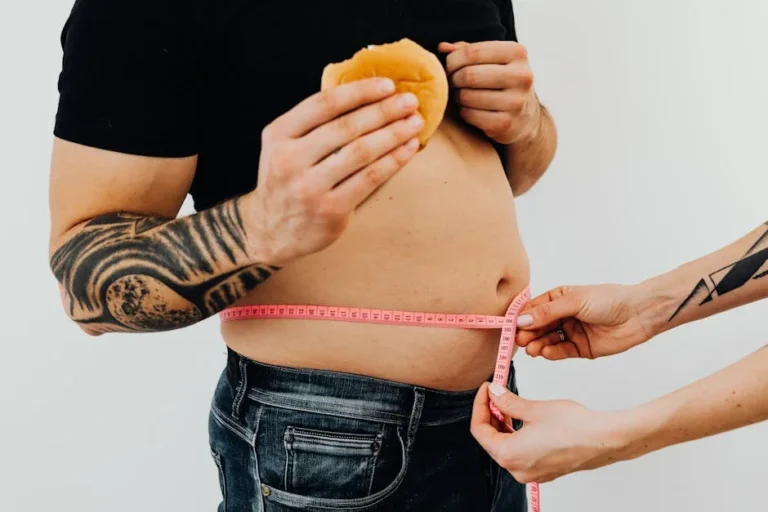

Many people search for ways to lose weight fast because they want visible progress now, not months from now. That urgency is understandable, especially when a deadline is looming or health concerns become more immediate. Still, “fast” can mean very different things depending on starting weight, medical history, daily schedule, sleep quality, stress levels, and how consistent you can be. A realistic approach focuses on rapid but safe fat loss, not extreme dehydration, starvation, or risky supplements. The scale can drop quickly in the first week from reduced glycogen and water, but long-term success depends on a steady calorie deficit, adequate protein, resistance training, and habits that you can keep doing after the initial push. If the goal is to drop body fat quickly, the most reliable strategy is to reduce energy intake while keeping muscle through strength training and sufficient nutrients. That combination helps you look leaner faster and reduces the rebound effect that often follows crash dieting.
Table of Contents
- My Personal Experience
- Understanding What “Lose Weight Fast” Really Means
- Setting a Calorie Deficit Without Starving Yourself
- Protein: The Shortcut to Fullness and a Leaner Look
- Carbs, Fats, and the Myth of One Perfect Diet
- Strength Training to Preserve Muscle and Boost Fat Loss
- Walking and Daily Movement: The Hidden Accelerator
- Meal Planning That Makes Fast Weight Loss Easier
- Expert Insight
- Sleep, Stress, and Hormones That Affect Appetite
- Hydration, Sodium, and Beating Bloat for Faster Visual Results
- Smart Cardio: When HIIT Helps and When It Hurts
- Common Mistakes That Stall Fast Weight Loss
- Building a 14–30 Day Fast-Loss Plan You Can Maintain
- Safe Expectations and When to Get Professional Support
- Watch the demonstration video
- Frequently Asked Questions
- Trusted External Sources
My Personal Experience
Last year I hit a point where my clothes felt tight and I was out of breath on stairs, so I decided I wanted to lose weight fast. I tried cutting my portions in half, swapping soda for water, and doing a hard workout every day, and the scale dropped quickly that first week—but I felt shaky, moody, and constantly hungry. After I nearly quit, I adjusted: I kept a calorie deficit but added protein at every meal, prepped simple lunches, and limited workouts to four days a week with daily walks. The weight still came off steadily, just not as dramatically, and I actually had the energy to stick with it. The biggest lesson for me was that “fast” only worked when it didn’t feel like punishment.
Understanding What “Lose Weight Fast” Really Means
Many people search for ways to lose weight fast because they want visible progress now, not months from now. That urgency is understandable, especially when a deadline is looming or health concerns become more immediate. Still, “fast” can mean very different things depending on starting weight, medical history, daily schedule, sleep quality, stress levels, and how consistent you can be. A realistic approach focuses on rapid but safe fat loss, not extreme dehydration, starvation, or risky supplements. The scale can drop quickly in the first week from reduced glycogen and water, but long-term success depends on a steady calorie deficit, adequate protein, resistance training, and habits that you can keep doing after the initial push. If the goal is to drop body fat quickly, the most reliable strategy is to reduce energy intake while keeping muscle through strength training and sufficient nutrients. That combination helps you look leaner faster and reduces the rebound effect that often follows crash dieting.

Trying to lose weight fast without a plan often leads to “all-or-nothing” behaviors: skipping meals, overtraining, cutting entire food groups, then overeating later. A smarter method uses clear targets: a calorie range, a protein goal, daily steps, a lifting routine, and sleep boundaries. When those are in place, progress becomes measurable and predictable. Fast fat loss is also more sustainable when you choose foods that keep you full—lean proteins, fibrous vegetables, fruit, legumes, and whole grains—while limiting liquid calories and hyper-palatable snacks that make portion control harder. It also helps to define the time horizon. A short “cut” of two to six weeks can produce meaningful changes if you keep it structured and safe, then transition to maintenance. If you have medical conditions, a history of disordered eating, or take medications that affect appetite or blood sugar, professional guidance is important before pushing for rapid results.
Setting a Calorie Deficit Without Starving Yourself
To lose weight fast, you need a calorie deficit, meaning you burn more energy than you eat. The challenge is creating that deficit without feeling miserable or triggering binge cycles. A practical starting point is to reduce intake by roughly 15–25% from your typical maintenance level. If you don’t track, you can still create a deficit by controlling the biggest levers: portion sizes, snack frequency, and calorie-dense add-ons like oils, dressings, sugary drinks, and alcohol. Many people unknowingly drink hundreds of calories per day, so replacing soda, fancy coffee drinks, and juice with water, sparkling water, or unsweetened tea can speed results without increasing hunger. Another high-impact move is to standardize breakfast and lunch for a few weeks with simple meals you enjoy. Repetition reduces decision fatigue and makes it easier to notice what’s working.
When attempting to lose weight fast, hunger management matters as much as math. Build meals around protein and fiber first, then add carbs and fats in portions that fit your target. Protein and fiber slow digestion, improve fullness, and reduce cravings later. A plate template is an easy tool: half the plate non-starchy vegetables, one quarter lean protein, and one quarter starch or whole grains, plus a modest portion of fats if needed. If you prefer fewer meals, a time-restricted eating window can help some people reduce calories naturally, but it’s not required. The best approach is the one you can stick to for weeks, not days. If you feel constantly drained, irritable, or obsessed with food, your deficit may be too aggressive. Fast progress can still happen with a moderate deficit if you keep activity high and prioritize sleep.
Protein: The Shortcut to Fullness and a Leaner Look
Protein is one of the most effective tools to lose weight fast because it supports fullness, preserves muscle, and slightly increases the calories you burn through digestion. When dieting, the body can lose both fat and lean tissue. Losing muscle makes you look “smaller” but not necessarily leaner, and it can lower metabolic rate over time. A higher-protein diet helps protect lean mass, especially when combined with resistance training. Practical protein sources include chicken, turkey, lean beef, fish, eggs, Greek yogurt, cottage cheese, tofu, tempeh, edamame, beans, and protein powders if needed. The goal isn’t perfection; it’s consistency. Many people do well aiming for protein at every meal, rather than trying to cram it in at dinner.
If you want to lose weight fast while keeping strength and shape, distribute protein across the day. For example, include 25–45 grams at breakfast, lunch, and dinner, plus a high-protein snack if your calorie budget allows. This approach tends to reduce late-night cravings and helps training recovery. Protein also pairs well with high-volume foods like salads, roasted vegetables, soups, and fruit. If you’re plant-based, combining legumes, soy products, and whole grains can meet protein needs effectively, though total calories still matter. Watch out for “health halo” foods that are protein-labeled but calorie-dense, such as sugary protein bars or specialty shakes with lots of added fats. Keep the foundation simple: lean proteins, minimally processed foods, and predictable meal timing that fits your life.
Carbs, Fats, and the Myth of One Perfect Diet
People often think they must cut carbs completely to lose weight fast, but fat loss comes primarily from a sustained calorie deficit. Lower-carb approaches can work well because they reduce appetite for some and quickly lower water weight, which can be motivating. Lower-fat approaches can also work because fat is calorie-dense and reducing it makes it easier to stay under your calorie target. The best choice depends on your preferences, training style, and how your body responds. If you lift weights or do intense workouts, keeping some carbs may improve performance and help you maintain muscle. If you’re more sedentary, reducing refined carbs and focusing on vegetables, fruit, and legumes can make dieting easier.
To lose weight fast without feeling deprived, prioritize carb quality and fat quality rather than demonizing either. Choose carbs that provide fiber and volume: potatoes, oats, brown rice, quinoa, beans, lentils, and fruit. Limit ultra-processed sweets and refined snacks that are easy to overeat. For fats, focus on portions and sources: olive oil, avocado, nuts, seeds, and fatty fish can support health, but they add up quickly. Measuring oils for a few weeks can be eye-opening because “a drizzle” can become several tablespoons. A balanced plan might include moderate carbs around workouts, lean proteins at each meal, and controlled fats for flavor and satisfaction. The winning diet is the one that keeps you consistent, not the one that looks most impressive on paper.
Strength Training to Preserve Muscle and Boost Fat Loss
If the goal is to lose weight fast and look noticeably leaner, strength training is a major advantage. While cardio burns calories in the moment, lifting helps keep muscle during a deficit, which supports a tighter, more athletic appearance. It also improves how your body partitions nutrients, meaning more of what you eat can go toward recovery rather than storage. A simple full-body routine three times per week can be enough for rapid transformation: a squat or leg press pattern, a hinge like Romanian deadlifts, a push like bench press or push-ups, a pull like rows or lat pulldowns, and core work. Progress doesn’t have to be dramatic; even maintaining strength while dieting is a win.
To lose weight fast safely, avoid the trap of doing excessive workouts while eating too little. That combination increases injury risk and can drive fatigue, making you less active the rest of the day. A better approach is to keep lifting sessions efficient—45 to 70 minutes—focus on good form, and aim for gradual progression or maintenance. If you’re new, start with machines or bodyweight movements and add complexity over time. If time is tight, two sessions per week still help. Pair strength training with daily walking for a powerful blend of muscle retention and steady calorie burn. The goal is to create a routine that you can sustain long enough for fat loss to accumulate, rather than a short burst that leads to burnout.
Walking and Daily Movement: The Hidden Accelerator
One of the simplest ways to lose weight fast without feeling like you’re constantly “working out” is to increase daily movement. Steps add up, and the calorie burn from non-exercise activity can be significant. Many people underestimate how much sitting reduces total energy expenditure. Adding two to five short walks per day—ten minutes after meals, a longer walk in the evening, or walking during phone calls—can create a meaningful deficit over weeks. Walking is also easier to recover from than intense cardio, so it tends to support consistency. It can reduce stress, improve digestion, and help regulate appetite, which are all useful when dieting.
To lose weight fast with walking, treat it like a scheduled habit rather than an optional extra. Set a step goal that is challenging but realistic, such as 8,000–12,000 steps per day depending on your baseline and schedule. If you currently average 3,000, jumping to 12,000 overnight may backfire, so increase gradually. Add “movement anchors” to your day: park farther away, take stairs, do a five-minute walk break every hour, or walk while listening to podcasts. If weather is an issue, indoor options like treadmill walking or walking laps in a mall can work. Combine this with a controlled diet and a few strength sessions per week, and you create a system that produces fast results without extreme measures.
Meal Planning That Makes Fast Weight Loss Easier
Meal planning helps you lose weight fast because it reduces impulsive decisions when you’re hungry, tired, or stressed. The simplest plan is not a complicated spreadsheet; it’s choosing a short list of meals you like that fit your calorie and protein targets. For example, breakfast could be Greek yogurt with berries and a sprinkle of high-fiber cereal, or eggs with vegetables and fruit. Lunch could be a large salad with chicken or tofu, beans, and a measured dressing, or a bowl with lean protein, rice, and roasted vegetables. Dinner can follow the same pattern. When meals are predictable, it becomes easier to stay in a deficit without tracking every bite.
Expert Insight
Set a clear calorie target and make it easy to hit: build each meal around lean protein and high-fiber vegetables, then limit liquid calories and ultra-processed snacks. Prep two go-to meals you can repeat for a week to reduce decision fatigue and stay consistent. If you’re looking for lose weight fast, this is your best choice.
Increase daily energy burn without overtraining: aim for 8,000–12,000 steps per day and add 2–3 short full-body strength sessions weekly to preserve muscle while dieting. Prioritize 7–9 hours of sleep and keep a consistent bedtime to curb hunger and improve adherence. If you’re looking for lose weight fast, this is your best choice.
To lose weight fast with less hunger, build meals around high volume and low calorie density. Soups, stews, stir-fries with lots of vegetables, and big salads can keep you full while keeping calories controlled. Keep convenient proteins ready: rotisserie chicken, canned tuna, pre-cooked lentils, frozen shrimp, or a batch of grilled tofu. Use frozen vegetables to save time and reduce waste. Also plan snacks strategically. Instead of grazing, choose one or two planned snacks, such as fruit with cottage cheese, a protein shake, or carrots with a measured portion of hummus. Having a plan doesn’t mean you can’t eat out; it means you know how to adjust. You can choose grilled proteins, vegetables, and simpler sides, and you can decide in advance how you’ll handle alcohol or dessert.
Sleep, Stress, and Hormones That Affect Appetite
Many people try to lose weight fast by focusing only on food and workouts, but sleep and stress can determine whether the plan is sustainable. Poor sleep increases hunger and cravings by altering appetite-regulating hormones, and it also reduces impulse control. When you’re sleep-deprived, you’re more likely to reach for calorie-dense foods and less likely to follow through on training. Stress can have a similar effect by increasing emotional eating and reducing motivation for movement. Even if calories are controlled, high stress and low sleep can make the process feel much harder than it needs to be.
| Approach | How it helps you lose weight fast | Pros | Watch-outs |
|---|---|---|---|
| Calorie deficit + high-protein meals | Reduces overall intake while protein boosts fullness and helps preserve muscle during rapid loss. | Effective, flexible food choices, supports metabolism and satiety. | Too large a deficit can cause fatigue/hunger; track portions to avoid under-eating. |
| Strength training + daily steps | Increases daily burn and helps maintain lean mass, improving body composition as weight drops. | Sustainable, improves strength/shape, better long-term maintenance. | Scale may drop slower at first; soreness/injury risk if you ramp up too fast. |
| Short-term low-carb (water-weight drop) + whole foods | Depletes glycogen and water quickly, creating a fast initial scale change while whole foods limit overeating. | Quick early results, simpler meal structure, fewer ultra-processed calories. | Early loss is mostly water; can feel low energy; reintroduce carbs gradually to avoid rebound. |
To lose weight fast while keeping cravings manageable, treat sleep like part of your program. Aim for a consistent sleep schedule, a dark room, and a wind-down routine that doesn’t involve scrolling for an hour in bed. If you struggle with sleep, start with small changes: reduce caffeine after midday, get morning light exposure, and keep your bedroom cool. Stress management doesn’t need to be complicated either. Walking, journaling, short breathing exercises, and setting boundaries around work can reduce the urge to snack mindlessly. When sleep improves, many people notice they naturally eat less without forcing it. This is one of the most underrated “biohacks” for rapid fat loss because it supports consistency, which is what ultimately drives results.
Hydration, Sodium, and Beating Bloat for Faster Visual Results
People who want to lose weight fast often want to look better quickly, and that includes reducing bloating. Hydration and sodium balance can influence water retention, digestion, and how your body looks day to day. Drinking enough water helps regulate appetite and can reduce the confusion between thirst and hunger. Consistent hydration also supports workouts and recovery, which helps you maintain muscle while dieting. Sodium isn’t the enemy, but big swings—very salty meals followed by low intake—can cause noticeable water fluctuations. The goal is consistency, not extremes.
To lose weight fast and feel lighter, keep hydration steady and focus on whole foods that naturally contain potassium, such as bananas, potatoes, beans, and leafy greens. If you’re increasing protein and fiber, hydration becomes even more important to prevent constipation and discomfort. Carbonated drinks can cause bloating for some people, even if they’re zero-calorie, so pay attention to your individual response. Also consider how quickly you’re changing your diet. A sudden jump in fiber can cause temporary gas; increasing gradually often helps. If you suspect food intolerances, keep a simple log and look for patterns rather than guessing. These steps don’t replace fat loss, but they can improve comfort and help your progress look more obvious during the first couple of weeks.
Smart Cardio: When HIIT Helps and When It Hurts
Cardio can help you lose weight fast, but not all cardio is equal in terms of recovery and adherence. High-intensity interval training (HIIT) burns calories and can improve fitness quickly, but it also creates fatigue and hunger in some people. If you’re already lifting and eating in a deficit, adding too much HIIT can lead to sore joints, poor sleep, and reduced training quality. Steady-state cardio—like incline walking, cycling, or swimming at a moderate pace—can be easier to recover from and may be more sustainable when dieting aggressively.
To lose weight fast with cardio, choose the minimum effective dose that fits your life. For many, two to four sessions per week of 20–40 minutes plus daily steps works well. If you enjoy HIIT, keep it limited, such as one or two short sessions weekly, and make sure your strength workouts don’t suffer. If you hate intense cardio, don’t force it; walking and moderate cycling can deliver excellent results when paired with a controlled diet. The best cardio plan is the one that keeps you consistent and doesn’t increase hunger so much that you overeat later. Monitor your energy, sleep, and cravings. If cardio makes you ravenous, reduce intensity or duration and lean more on steps and food quality.
Common Mistakes That Stall Fast Weight Loss
People who try to lose weight fast often make predictable mistakes that slow progress or cause rebound weight gain. One major issue is underestimating calories, especially from “healthy” foods like nuts, nut butters, oils, granola, and restaurant meals. Another is overestimating calories burned from workouts. Fitness trackers can be useful, but they frequently over-report calorie burn, leading people to “eat back” too much. Another common problem is inconsistent weekends: a strict weekday diet followed by large meals, alcohol, and snacks can erase the deficit. This doesn’t mean you can’t enjoy weekends; it means you need a plan for them.
To lose weight fast more reliably, simplify and measure what matters. Use a food scale for calorie-dense items for a couple of weeks to learn portions. Keep your environment supportive by reducing easy access to trigger foods and stocking high-protein, high-fiber options. Don’t let a single off-plan meal turn into an off-plan day. Also avoid the “too low, too long” problem. If you cut calories extremely and try to maintain that for months, the odds of burnout rise. A better approach is a focused period of rapid fat loss followed by a planned maintenance phase where you stabilize your weight and practice the habits you’ll keep. Consistency beats intensity when the goal is lasting change.
Building a 14–30 Day Fast-Loss Plan You Can Maintain
A short, structured plan can help you lose weight fast while keeping the process clear and manageable. Start by choosing a daily calorie range that creates a moderate deficit, then set a protein target and a step goal. Build a weekly training schedule with two to four strength sessions and a few cardio sessions or extra walks. Keep meals simple and repeatable. When the plan is simple, you reduce the number of decisions you need to make each day, which increases adherence. Also decide how you’ll handle social events. You can budget calories by eating lighter earlier, choosing lean proteins and vegetables when dining out, and limiting alcohol to a set amount.
To lose weight fast and keep the results, include a transition strategy. After 14–30 days, raise calories slightly to maintenance for one to two weeks, keep protein high, and continue lifting and walking. This reduces the urge to rebound and helps you learn what “normal eating” looks like at your new habits level. Track progress with more than the scale: waist measurements, progress photos, workout performance, and how clothes fit. If the scale stalls for a week but measurements improve, you may still be losing fat. If nothing changes for two weeks, adjust one lever—slightly reduce calories, add steps, or tighten weekend consistency—rather than overhauling everything. A calm, systematic approach tends to beat drastic changes, even when the goal is rapid results.
Safe Expectations and When to Get Professional Support
Wanting to lose weight fast can be a strong motivator, but safety matters, especially if you have underlying health conditions. Rapid loss is often easiest at higher starting weights, while leaner individuals typically see slower changes. A common safe range for many people is around 0.5–1% of body weight per week, though individual circumstances vary. If you experience dizziness, fainting, heart palpitations, severe fatigue, hair loss, or disordered eating behaviors, it’s a sign the approach may be too aggressive. Sustainable fat loss should improve your health markers and energy over time, not degrade them.
If you want to lose weight fast and you have diabetes, thyroid disease, a history of eating disorders, are pregnant, or take medications that affect appetite or blood sugar, professional guidance is especially important. A registered dietitian can tailor calories and macros to your needs, and a physician can ensure that rapid weight loss won’t interfere with medications or health conditions. Even without medical issues, coaching can help you avoid the trial-and-error phase by setting targets that match your lifestyle. Fast progress is possible, but the most impressive transformation is the one you can keep. The final measure of success is not just how quickly the scale moves, but how confidently you can maintain your routine once the initial push is over and you still want to lose weight fast in a sustainable way.
Watch the demonstration video
In this video, you’ll learn practical, science-backed strategies to lose weight fast without relying on extreme diets. It covers how to create a calorie deficit, choose filling foods, structure workouts for maximum burn, and avoid common mistakes that slow progress. You’ll also get simple tips to stay consistent and see results quickly.
Summary
In summary, “lose weight fast” is a crucial topic that deserves thoughtful consideration. We hope this article has provided you with a comprehensive understanding to help you make better decisions.
Frequently Asked Questions
What is a safe amount of weight to lose per week?
Most people can safely aim to lose about 0.5–1 kg (1–2 lb) per week. If you try to **lose weight fast**, the scale may drop quickly at first—often from water weight—but pushing too hard can leave you tired, increase muscle loss, and make it more likely the weight comes back.
How can I lose weight fast without losing muscle?
To **lose weight fast** in a healthy, sustainable way, keep your protein intake high, lift weights 2–4 times per week, and aim for a moderate calorie deficit you can stick with. Make sleep a priority so your body can recover and your hunger hormones stay in check. Skip extreme crash diets and don’t rely on endless cardio—consistency with smart training and nutrition works better.
What foods help with fast weight loss?
To **lose weight fast**, build your meals around high-protein, high-fiber, minimally processed foods like lean meats, eggs, Greek yogurt, beans and lentils, plenty of vegetables, fruit, and whole grains. At the same time, cut back on sugary drinks, refined snack foods, and alcohol, which can quickly add extra calories without keeping you full.
Do low-carb diets help you lose weight faster?
These approaches may help you **lose weight fast** at first by curbing appetite and shedding water weight, but lasting fat loss still comes down to consistently maintaining a calorie deficit and getting enough protein.
What workouts are best for losing weight quickly?
Pair strength training with plenty of daily movement (like hitting a step goal) and add 2–3 cardio sessions each week. Stick with workouts you can recover from, repeat consistently, and enjoy—because that’s the most reliable way to **lose weight fast**.
Why did my weight drop quickly at first and then slow down?
In the beginning, most of what you drop is water weight and stored glycogen, so the scale can move quickly. As you get lighter, your body needs fewer calories, which can make progress slow down—so if you’re trying to **lose weight fast**, tighten up portion sizes, add a bit more activity, and track your intake to stay accurate and consistent.
📢 Looking for more info about lose weight fast? Follow Our Site for updates and tips!

Trusted External Sources
- Tips to help you lose weight – NHS
Do · get active for 150 minutes a week – you can break this up into shorter sessions · aim to get your 5 A Day – 80g of fresh, canned or frozen fruit or … If you’re looking for lose weight fast, this is your best choice.
- 7 weight loss tips to shed pounds in the new year and keep them off …
Dec 27, 2026 … Set a goal of at least 150 minutes of aerobic activity per week. Aerobic exercises increase your breathing and heart rate, such as a brisk walk, … If you’re looking for lose weight fast, this is your best choice.
- Weight loss: 6 strategies for success – Mayo Clinic
Jun 22, 2026 … One of the best ways to lose body fat is through steady aerobic exercise, such as brisk walking. Work up to at least 30 minutes of aerobic … If you’re looking for lose weight fast, this is your best choice.
- 8 Ways to Lose Belly Fat and Live a Healthier Life | Johns Hopkins …
8 Ways to Lose Belly Fat and Live a Healthier Life · Try curbing carbs instead of fats. · Think eating plan, not diet. · Keep moving. · Lift weights. · Become a … If you’re looking for lose weight fast, this is your best choice.
- Diet for rapid weight loss: MedlinePlus Medical Encyclopedia
May 20, 2026 … Rapid weight loss diet is a type of diet in which you lose more than 2 pounds (lb) or 1 kilogram (kg) a week over several weeks. If you’re looking for lose weight fast, this is your best choice.