
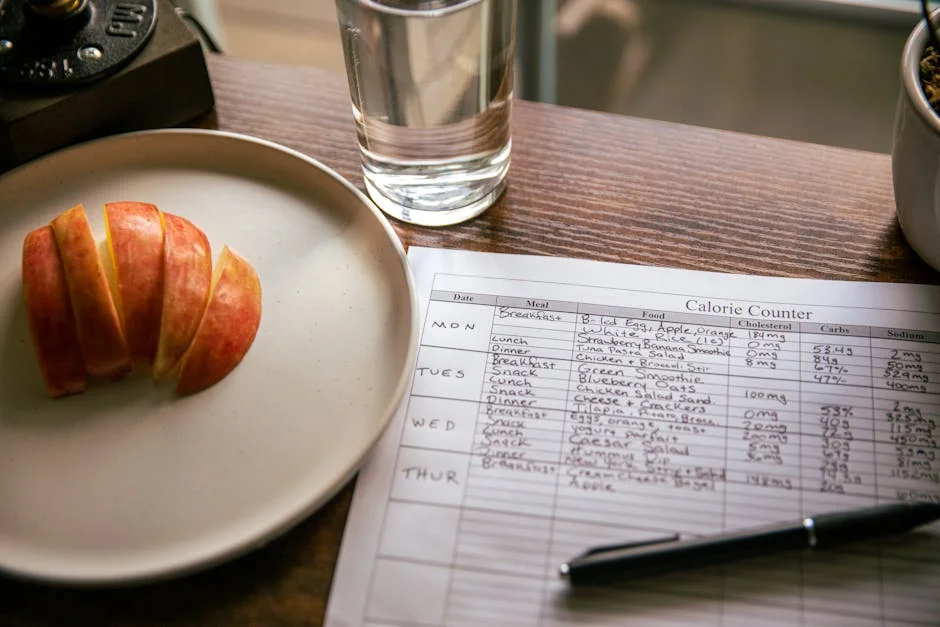
An intermittent fasting diet plan is a structured way of eating that alternates between planned periods of eating and planned periods of not eating, with the goal of improving health, body composition, and metabolic flexibility. Instead of focusing primarily on what foods to remove, this approach focuses on when you eat, which can make it feel simpler than many traditional diets. During the fasting window, the body gradually shifts from relying on recently consumed glucose to using stored energy, including glycogen and fat. Many people are drawn to time-restricted eating because it can reduce mindless snacking, simplify meal planning, and create a consistent daily rhythm. The idea is not to starve or deprive yourself, but to use timing to support better appetite regulation, steadier energy, and more intentional meals. Some people notice they naturally eat fewer calories without counting, while others prefer to keep calories stable and use fasting primarily for structure and routine.
Table of Contents
- My Personal Experience
- Understanding an Intermittent Fasting Diet Plan and Why It Works
- Choosing the Right Fasting Schedule: 12:12, 14:10, 16:8, 18:6, and Beyond
- Core Principles: Building Meals That Make Fasting Easier
- Intermittent Fasting Diet Plan for Beginners: A Practical 7-Day Structure
- Intermittent Fasting Diet Plan for Weight Loss Without Extreme Restriction
- Intermittent Fasting Diet Plan for Muscle Gain and Athletic Performance
- What to Eat During the Eating Window: Food Lists and Smart Choices
- Expert Insight
- Hydration, Coffee, and Supplements During Fasting Windows
- Common Mistakes That Make Fasting Harder (and How to Fix Them)
- Safety, Who Should Avoid Fasting, and When to Seek Medical Guidance
- Making an Intermittent Fasting Diet Plan Sustainable: Social Life, Travel, and Long-Term Habits
- Putting It All Together: A Weekly Template You Can Repeat
- Watch the demonstration video
- Frequently Asked Questions
- Trusted External Sources
My Personal Experience
I started an intermittent fasting diet plan a few months ago after realizing my constant snacking was more habit than hunger. I kept it simple with a 16:8 schedule—coffee and water in the morning, then my first meal around noon and dinner by 8 p.m.—and focused on eating real meals instead of trying to “make up” for fasting with junk. The first week was rough; I felt hungry around 10 a.m. and got a little irritable at work, but it eased once my routine settled. What surprised me most was how much easier meal planning became, and I stopped thinking about food all day. I didn’t track every calorie, but I did prioritize protein and veggies, and I noticed my energy felt steadier in the afternoons and my late-night cravings dropped off. It’s not perfect—social breakfasts still throw me off sometimes—but overall it’s been a sustainable change I can actually stick with.
Understanding an Intermittent Fasting Diet Plan and Why It Works
An intermittent fasting diet plan is a structured way of eating that alternates between planned periods of eating and planned periods of not eating, with the goal of improving health, body composition, and metabolic flexibility. Instead of focusing primarily on what foods to remove, this approach focuses on when you eat, which can make it feel simpler than many traditional diets. During the fasting window, the body gradually shifts from relying on recently consumed glucose to using stored energy, including glycogen and fat. Many people are drawn to time-restricted eating because it can reduce mindless snacking, simplify meal planning, and create a consistent daily rhythm. The idea is not to starve or deprive yourself, but to use timing to support better appetite regulation, steadier energy, and more intentional meals. Some people notice they naturally eat fewer calories without counting, while others prefer to keep calories stable and use fasting primarily for structure and routine.

Physiologically, fasting influences hormones and cellular processes that relate to hunger, energy use, and recovery. Insulin levels tend to drop during fasting, which can support fat mobilization in the right context, while hormones like norepinephrine may rise slightly, which can help maintain energy and alertness. Many people also find that a consistent schedule helps stabilize cravings because the brain learns predictable meal times. Still, an intermittent fasting diet plan is not magic; results depend on total food quality, protein intake, sleep, stress, and activity. If the eating window becomes a license to overeat ultra-processed foods, progress can stall. When built around balanced meals, adequate protein, fiber, and hydration, fasting can be a practical framework for weight management and metabolic health. The most effective approach is the one that fits your lifestyle, supports training and recovery, and feels sustainable beyond a few weeks.
Choosing the Right Fasting Schedule: 12:12, 14:10, 16:8, 18:6, and Beyond
The schedule is the backbone of any intermittent fasting diet plan, and the best schedule is usually the one that creates consistency without causing you to dread your day. A 12:12 schedule, where you fast for 12 hours and eat within a 12-hour window, is often a gentle starting point. It can be as simple as finishing dinner at 7:00 p.m. and eating breakfast at 7:00 a.m. Many people already do something similar, so it feels natural and low friction. A 14:10 schedule tightens the eating window slightly, which can reduce late-night snacking and help people who do well with a later breakfast. The popular 16:8 schedule, where you fast for 16 hours and eat in an 8-hour window, is common because it often fits a “skip breakfast” pattern: for example, eating from 12:00 p.m. to 8:00 p.m. If you prefer breakfast, you can flip it and eat from 8:00 a.m. to 4:00 p.m., which can support earlier digestion and better evening sleep for some.
More advanced schedules like 18:6 or 20:4 can work for certain people, but they are not automatically better. As the fasting window grows, it becomes harder to meet protein, fiber, and micronutrient needs without feeling overly full or relying on calorie-dense foods. Some individuals also find longer fasts increase irritability, disrupt sleep, or reduce workout performance. Another option is periodic fasting, such as one or two 24-hour fasts per week, but this style can be tough socially and may trigger overeating for those with a history of restrictive dieting. A practical approach is to start with 12:12 or 14:10 for two weeks, then move to 16:8 if you feel stable energy and good mood. The right schedule should keep you productive, allow you to train effectively, and help you eat satisfying meals. If a schedule makes you obsess about food, it’s a sign to scale back and choose a more moderate fasting pattern. If you’re looking for intermittent fasting diet plan, this is your best choice.
Core Principles: Building Meals That Make Fasting Easier
Meal composition determines whether an intermittent fasting diet plan feels empowering or miserable. When meals are built around protein, fiber, and minimally processed carbohydrates and fats, hunger is usually more manageable across the fasting window. Protein is especially important because it supports muscle maintenance, satiety, and recovery from exercise. A helpful target for many adults is to include a substantial protein source at each meal, such as eggs, Greek yogurt, cottage cheese, chicken, turkey, fish, tofu, tempeh, beans, or lentils. Fiber adds volume and slows digestion, which can make the fasting window feel smoother; vegetables, berries, legumes, oats, and whole grains are reliable ways to raise fiber intake. Healthy fats like olive oil, avocado, nuts, seeds, and fatty fish can also increase satisfaction, but portion awareness matters because fats are calorie-dense.
Carbohydrates are not the enemy in a fasting routine; the key is choosing forms that support stable energy. Whole-food carbs like potatoes, fruit, quinoa, brown rice, and whole-grain bread can fit well, especially for active people. Refined sugars and ultra-processed snacks often spike appetite and make the next fasting period feel harder, even if they fit your calories. Hydration and electrolytes are another overlooked principle. People sometimes mistake thirst for hunger, and mild dehydration can feel like cravings or fatigue. Water, sparkling water, unsweetened tea, and black coffee are common during fasting windows, but if you sweat a lot or eat very low carb, you may benefit from sodium and mineral-rich foods during the eating window. The simplest way to succeed is to make your first meal balanced rather than “rewarding” yourself with junk after fasting. When meals are satisfying and nutrient-dense, fasting becomes a schedule you follow, not a battle you fight. If you’re looking for intermittent fasting diet plan, this is your best choice.
Intermittent Fasting Diet Plan for Beginners: A Practical 7-Day Structure
A beginner-friendly intermittent fasting diet plan should prioritize consistency, adequate calories, and meals that prevent rebound overeating. A simple 14:10 or 16:8 schedule works well for many newcomers. Consider a 16:8 routine with an eating window from 11:00 a.m. to 7:00 p.m., which leaves room for lunch, an afternoon snack if needed, and dinner. Day one through day seven can follow the same timing to build a habit, while meals rotate to keep variety. A sample day could start with a first meal at 11:00 a.m.: a bowl of Greek yogurt with berries, chia seeds, and a handful of oats, plus an egg or two on the side for extra protein. Mid-afternoon, if hunger appears, a snack like an apple with peanut butter, cottage cheese with cucumber, or hummus with carrots can prevent overeating at dinner. Dinner might include salmon or tofu, roasted vegetables, and a portion of rice or potatoes, finished with fruit for a sweet taste that still supports nutrition goals.
Over a week, rotate proteins and produce to cover micronutrients and reduce boredom. Chicken or chickpeas can replace fish; lean beef or lentils can replace poultry; and different vegetables can be swapped in based on season and preference. If mornings are difficult, start with 14:10 for the first week, such as eating from 9:00 a.m. to 7:00 p.m., and gradually move the first meal later if you feel comfortable. The goal is to keep the plan stable enough to learn your hunger patterns. Pay attention to two key signals: energy and sleep. If you feel foggy or your sleep worsens, your eating window may be too late, your dinner may be too heavy, or your overall intake may be too low. A beginner plan should also include a realistic approach to social events. If you have a brunch, you can shift your window earlier that day rather than forcing yourself to “make up” for it. Flexibility keeps the routine sustainable and reduces the all-or-nothing mindset that derails many people. If you’re looking for intermittent fasting diet plan, this is your best choice.
Intermittent Fasting Diet Plan for Weight Loss Without Extreme Restriction
Many people adopt an intermittent fasting diet plan for weight loss because it can reduce grazing and late-night snacking, two habits that often add calories without much satisfaction. Weight loss still depends on a calorie deficit over time, but fasting can make that deficit easier to maintain by compressing the day’s eating into fewer meals. The most reliable strategy is to keep meals high in protein and fiber so you feel full on fewer calories. A common pattern is two main meals and one optional snack within an 8-hour window. For example, meal one could be a large salad with grilled chicken or tofu, beans, olive oil, and a whole-grain side. Meal two could be a hearty dinner with a lean protein, a big portion of vegetables, and a moderate serving of starch. If you need a snack, choose one that supports fullness, such as yogurt, edamame, a protein shake, or fruit with nuts. This approach keeps hunger stable without turning fasting into a daily test of willpower.
Portion awareness matters because it’s easy to “undo” the deficit with calorie-dense foods during the eating window. Restaurant meals, sugary drinks, and frequent desserts can add up quickly. Instead of tracking every calorie, many people do well with a consistent plate method: half the plate vegetables, a quarter protein, and a quarter starch, plus a small amount of fat. For weight loss, it also helps to limit liquid calories and alcohol, since both can increase appetite and reduce sleep quality. Another effective tactic is to maintain a consistent protein minimum, because inadequate protein can lead to muscle loss during weight loss, which is not the goal. Resistance training two to four times per week pairs especially well with fasting because it signals the body to keep muscle. If weight loss stalls, the solution is usually not a longer fast. More often, it’s tightening food quality, improving sleep, increasing daily steps, or making the eating window slightly earlier to reduce late-night eating. A sustainable fat-loss routine feels repetitive in a good way: predictable meals, steady training, and a fasting schedule that supports your life rather than dominating it. If you’re looking for intermittent fasting diet plan, this is your best choice.
Intermittent Fasting Diet Plan for Muscle Gain and Athletic Performance
An intermittent fasting diet plan can support muscle gain, but it requires more intentional planning than a standard bulking approach because you need enough calories and protein within a shorter window. The key is to treat the eating window like a performance window: nutrient-dense meals, adequate carbohydrates around training, and protein distributed across the meals you do eat. Many lifters do well with a 14:10 or 16:8 schedule rather than very long fasts, because it’s easier to fit three protein feedings. A practical setup is a first meal around late morning, a second meal after training, and dinner in the early evening. Each meal should include a robust protein portion and a carbohydrate source, especially if you train hard. Carbs help fuel performance and support recovery by replenishing glycogen, which can be important for strength and hypertrophy.
Timing workouts matters. If you train in the morning and prefer to stay fasted, you may still perform well, but some people feel flat without pre-workout fuel. Options include moving the eating window earlier on training days or using a small pre-workout meal that fits your routine, such as yogurt and fruit or a protein shake with a banana. If your goal is muscle gain, avoid turning fasting into under-eating. Track progress via body weight trends, gym performance, and measurements. If lifts stagnate and weight isn’t increasing, you likely need more calories, not a stricter fasting window. Also prioritize sleep; fasting that pushes dinner late can interfere with recovery for some. For athletes, electrolytes and hydration can be crucial during fasted training sessions, especially in hot climates. The best performance-oriented plan is flexible: use a consistent base schedule most days, then adjust window timing around heavy training sessions and competitions. When done well, fasting becomes a routine that reduces decision fatigue while still supporting serious training. If you’re looking for intermittent fasting diet plan, this is your best choice.
What to Eat During the Eating Window: Food Lists and Smart Choices
Food quality determines whether an intermittent fasting diet plan improves health markers or simply becomes a way to eat the same processed foods in a smaller time frame. A helpful way to plan is to build meals from foundational categories. For proteins, rotate options like eggs, Greek yogurt, cottage cheese, chicken breast or thighs, turkey, lean beef, fish, shrimp, tofu, tempeh, edamame, beans, and lentils. For fiber-rich carbohydrates, lean on oats, quinoa, brown rice, whole-grain bread, potatoes, sweet potatoes, fruit, and legumes. For vegetables, aim for variety and volume: leafy greens, broccoli, cauliflower, peppers, carrots, zucchini, mushrooms, tomatoes, onions, and cruciferous mixes. For fats, choose olive oil, avocado, nuts, seeds, tahini, and fatty fish. These staples make it easier to create meals that taste good and keep you full.
| Plan Type | How It Works | Best For |
|---|---|---|
| 16:8 (Time-Restricted Eating) | Fast for 16 hours, eat within an 8-hour window (e.g., 12pm–8pm). | Beginners seeking a sustainable daily routine. |
| 5:2 Method | Eat normally 5 days/week; on 2 nonconsecutive days, reduce calories significantly. | People who prefer flexibility over daily fasting. |
| Alternate-Day Fasting | Alternate between fasting (or very low-calorie) days and regular eating days. | Experienced fasters aiming for more aggressive fat-loss structure. |
Expert Insight
Start with a sustainable fasting window (such as 12:12 or 14:10) for 1–2 weeks, then adjust only if energy and sleep stay steady. Plan your eating window around real meals: break your fast with a protein-forward plate (eggs, Greek yogurt, tofu, chicken, beans) plus fiber (vegetables, berries, whole grains) to curb cravings and prevent overeating later. If you’re looking for intermittent fasting diet plan, this is your best choice.
Make hydration and electrolytes non-negotiable during fasting hours: drink water regularly and include sodium and potassium sources (a pinch of salt in water, broth, mineral water, leafy greens) if you feel headaches or fatigue. In your eating window, prioritize minimally processed foods and set a simple cutoff rule—stop eating 2–3 hours before bed—to support appetite control and better sleep. If you’re looking for intermittent fasting diet plan, this is your best choice.
It’s also useful to plan “default meals” you can repeat when busy, because consistency is what makes fasting sustainable. Examples include a high-protein yogurt bowl with berries and nuts; a rice bowl with salmon or tofu, vegetables, and a simple sauce; a big salad with chicken, beans, and olive oil; or an omelet with vegetables and a side of fruit. If you rely on packaged snacks, choose those that support satiety, like jerky with minimal sugar, roasted chickpeas, protein bars with decent fiber, or nuts in pre-portioned servings. Keep an eye on foods that can trigger overeating, such as chips, pastries, and sugary cereal, especially when you’re very hungry at the start of the eating window. A practical strategy is to break the fast with a balanced meal rather than a sweet snack, then enjoy treats occasionally after you’ve already eaten protein and fiber. This reduces the urge to binge and keeps the plan feeling normal rather than restrictive. Over time, the best food list becomes the one that matches your preferences, fits your budget, and supports stable energy across both the eating and fasting periods. If you’re looking for intermittent fasting diet plan, this is your best choice.
Hydration, Coffee, and Supplements During Fasting Windows
Hydration can make or break an intermittent fasting diet plan, because many sensations people interpret as hunger are actually thirst or mild dehydration. Water is the primary tool, and many people find sparkling water helps with appetite because the carbonation creates a feeling of fullness. Unsweetened tea is another useful option, especially herbal teas in the evening when you want something warm without calories. Black coffee is commonly used to blunt appetite and improve alertness, but sensitivity varies. If coffee increases anxiety, jitters, or digestive discomfort, it may not be worth it. Some people do better with half-caff, cold brew, or tea. If you add sugar, cream, or flavored syrups, you’re technically consuming calories, which may reduce some fasting benefits; however, the bigger picture is adherence. If a small splash of milk helps you maintain the routine without turning it into a dessert coffee, it may still be a net win.
Electrolytes are another consideration. Sodium, potassium, and magnesium influence energy, muscle function, and headaches. People who fast and also train hard, sweat a lot, or eat lower carb sometimes experience headaches or fatigue that improve with electrolytes. You can get sodium from salting meals during the eating window and potassium from foods like potatoes, bananas, beans, and yogurt. Magnesium can come from nuts, seeds, leafy greens, and certain supplements. Speaking of supplements, the basics matter more than exotic “fasting enhancers.” Protein powder can help you reach protein targets within a shorter window, especially for muscle gain or busy schedules. Creatine is well-supported for strength and muscle performance and can be taken during the eating window. A fiber supplement can help if your diet is low in plant foods, though it’s better to increase fiber through meals when possible. If you take medications or have health conditions, supplement timing and fasting can interact, so it’s wise to coordinate with a clinician. The most effective approach is simple: hydrate consistently, keep caffeine moderate, and use supplements only to fill real gaps rather than chasing shortcuts. If you’re looking for intermittent fasting diet plan, this is your best choice.
Common Mistakes That Make Fasting Harder (and How to Fix Them)
The most common mistake in an intermittent fasting diet plan is compensatory overeating, where the eating window becomes an excuse to eat far beyond needs. This often happens when the first meal is low in protein and fiber, such as a pastry or sugary cereal, which can spike hunger later. Fixing it usually means breaking the fast with a balanced meal that includes protein, fiber, and some healthy fat. Another mistake is choosing a fasting window that is too aggressive too soon. Jumping straight into a 20-hour fast can lead to fatigue, irritability, and sleep disruption, and it can also trigger a binge-restrict cycle. A better fix is to build up gradually, starting with 12:12 or 14:10 until the routine feels easy. A third issue is inconsistent timing: fasting 16 hours one day, then eating late at night the next day, then skipping meals the day after. While flexibility is useful, constant randomness can confuse hunger signals and make adherence feel chaotic. A consistent baseline schedule with occasional planned exceptions usually works better.
Another mistake is underestimating the importance of sleep and stress. Poor sleep increases hunger hormones and cravings, making the fasting window feel much harder than it should. High stress can also drive emotional eating during the eating window. If fasting causes you to stay up late thinking about food, consider moving dinner earlier, widening the eating window slightly, or adding more calories at dinner from protein and vegetables. Training mistakes can also sabotage the routine. If you train hard but don’t eat enough protein and carbs, recovery suffers, and hunger can become intense. The fix is to match intake to activity and to place larger meals around workouts. Finally, many people forget that weekends count. If weekdays are structured but weekends are unplanned, progress may slow. Rather than trying to be perfect, decide on a weekend strategy: keep the same eating window, or allow a slightly longer window while maintaining meal quality and portion awareness. When mistakes are treated as feedback instead of failure, the plan becomes easier and more resilient over time. If you’re looking for intermittent fasting diet plan, this is your best choice.
Safety, Who Should Avoid Fasting, and When to Seek Medical Guidance
While many adults can follow an intermittent fasting diet plan safely, there are important exceptions and situations where medical guidance is essential. People with a history of eating disorders or disordered eating patterns may find fasting triggers restrictive behaviors or binge episodes, making it a poor fit. Pregnant or breastfeeding individuals generally need more consistent nutrient intake and should not fast unless specifically advised by a qualified clinician. Individuals with diabetes, especially those using insulin or medications that can cause hypoglycemia, should not start fasting without medical supervision, because fasting can change blood sugar patterns and medication needs. Those with chronic conditions, underweight individuals, or people recovering from illness may also need a different approach focused on steady nutrition rather than long fasting windows.
Even for healthy people, warning signs matter. If you experience dizziness, fainting, heart palpitations, persistent headaches, severe fatigue, or significant mood changes, your plan may be too aggressive or mismatched to your needs. If menstrual cycles become irregular or you notice signs of low energy availability, it’s wise to widen the eating window, increase calories, and consult a clinician. Teenagers and children are still growing and generally should not practice restrictive fasting patterns. Another consideration is medication timing; some medications require food, and skipping meals can cause side effects or reduce effectiveness. The safest way to approach fasting is to start gently, prioritize nutrient-dense meals, and use objective feedback: energy, sleep, training performance, digestion, and mental well-being. If your health markers worsen or your relationship with food becomes stressful, it’s not a personal failure; it’s simply a sign that a different eating structure may be better. A plan that supports long-term health should feel stable, not punishing. If you’re looking for intermittent fasting diet plan, this is your best choice.
Making an Intermittent Fasting Diet Plan Sustainable: Social Life, Travel, and Long-Term Habits
Sustainability is the real test of an intermittent fasting diet plan, because the best routine is the one you can follow through busy weeks, holidays, travel, and changes in work schedules. Social life is often the first challenge. If your fasting window makes dinners with friends impossible, you may end up abandoning the routine. A practical solution is to pick a schedule that aligns with your most common social meal. For many, that’s dinner, so a midday-to-evening eating window works well. For others, family breakfast is non-negotiable, so an earlier window is better. Travel adds complexity due to time zones and unpredictable meal access. During travel days, it can be helpful to simplify: focus on protein-forward meals when available, hydrate well, and treat the fasting window as flexible rather than rigid. A slightly longer eating window for a day or two is often better than forcing strict fasting and then overeating later.
Long-term success also depends on building routines that reduce decision fatigue. Keep staple foods on hand, plan two or three go-to meals, and set a consistent “kitchen closed” time that supports sleep. If late-night snacking is a problem, brushing teeth after dinner, drinking tea, or taking a short walk can help signal the end of eating. Another sustainability strategy is cycling intensity. You might follow 16:8 on weekdays and 14:10 on weekends, or maintain a standard schedule most of the year and loosen it during holidays while keeping basic habits like protein at meals and daily steps. Progress tracking should be realistic: use weekly averages for weight, note energy and sleep, and watch how clothes fit. If the plan makes you feel isolated, anxious, or overly rigid, it’s not sustainable and should be adjusted. The goal is a routine that supports your health while still allowing you to enjoy meals and events. When fasting becomes just one part of a balanced lifestyle—alongside strength training, walking, sleep, and stress management—it’s far more likely to stick. If you’re looking for intermittent fasting diet plan, this is your best choice.
Putting It All Together: A Weekly Template You Can Repeat
A repeatable weekly template can make an intermittent fasting diet plan feel straightforward rather than complicated. Start by choosing a base schedule, such as eating from 11:00 a.m. to 7:00 p.m., and keep it consistent for most days. Plan two main meals and one optional snack. For meal one, aim for 30–50 grams of protein depending on your body size and goals, plus fiber-rich carbs and fruit or vegetables. For meal two, repeat the same structure: a quality protein, a large serving of vegetables, and a carbohydrate portion scaled to your activity level. If you train, place one of the meals after training when possible, and include carbs to support recovery. Use the optional snack as a tool, not a default; it’s there for days when hunger is high, workouts are intense, or your meals are spaced farther apart. Keep beverage choices simple during fasting: water, sparkling water, unsweetened tea, and black coffee if it agrees with you.
To keep the week easy, rotate themes: a fish-based dinner two nights, a poultry dinner two nights, and plant-based proteins on other nights. Batch-cook a grain or potatoes, wash and chop vegetables, and keep quick proteins available. If you want a treat, plan it rather than letting it happen impulsively when you’re extremely hungry. A planned dessert after a balanced dinner often feels better and is easier to control than a sugar-heavy snack as your first meal. Finally, evaluate the plan using real-life outcomes: stable energy, manageable hunger, good digestion, and progress toward your goals. If any of those are off, adjust one variable at a time—move the eating window earlier, increase protein, add vegetables, improve sleep, or reduce alcohol—before assuming you need longer fasts. The best routine is the one you can repeat with minimal stress, and the simplest version often wins. With a thoughtful schedule and balanced meals, an intermittent fasting diet plan can become a sustainable framework that supports health, performance, and a calmer relationship with food.
Watch the demonstration video
In this video, you’ll learn how to follow an intermittent fasting diet plan step by step, including popular fasting schedules, what to eat during your eating window, and tips to manage hunger and energy. It also covers common mistakes, safety considerations, and how to adjust the plan to fit your goals and lifestyle.
Summary
In summary, “intermittent fasting diet plan” is a crucial topic that deserves thoughtful consideration. We hope this article has provided you with a comprehensive understanding to help you make better decisions.
Frequently Asked Questions
What is an intermittent fasting diet plan?
An **intermittent fasting diet plan** rotates between planned fasting periods and designated eating windows—such as fasting for 16 hours and eating within an 8-hour timeframe—to support calorie control and promote better metabolic health.
Which intermittent fasting schedule is best for beginners?
A popular way to start an **intermittent fasting diet plan** is with a gentle schedule like 12:12 or 14:10, then gradually move up to 16:8 once it feels comfortable—especially if your energy stays steady and your sleep remains solid.
What can I eat during the eating window?
Build your **intermittent fasting diet plan** around protein-rich foods, high-fiber carbs, healthy fats, and plenty of colorful vegetables. Aim for mostly minimally processed options, and make sure you’re still eating enough total calories during your eating window to support your specific goals.
What can I drink while fasting?
During your fasting window, stick to zero-calorie drinks like water, sparkling water, black coffee, or unsweetened tea. If you’re following an **intermittent fasting diet plan** and want to keep your fast strict, skip anything with sugar, cream, or added calories.
How do I structure meals on a 16:8 plan?
Most people following an **intermittent fasting diet plan** choose to eat two satisfying meals—sometimes adding a small snack—within their 8-hour eating window, focusing on balanced portions and getting enough protein at each meal to stay full and energized.
Who should avoid intermittent fasting or talk to a clinician first?
If you’re considering an **intermittent fasting diet plan**, check with a healthcare professional first—especially if you’re pregnant or breastfeeding, under 18, underweight, have a history of eating disorders, or if you have diabetes or take medications that affect blood sugar or blood pressure.
📢 Looking for more info about intermittent fasting diet plan? Follow Our Site for updates and tips!

Trusted External Sources
- Intermittent Fasting: What is it, and how does it work?
Intermittent fasting is an eating approach that alternates between set periods of fasting and scheduled meals. By following an **intermittent fasting diet plan**, many people find it easier to manage calorie intake, support weight goals, and potentially improve certain health markers—all without obsessing over what to eat at every meal.
- Intermittent Fasting Diet Plan: 7-Day Meal Guide
Mar 22, 2026 … This 7-day meal plan follows the 16/8 intermittent fasting approach, with an eating window from 12:00 PM to 8:00 PM. Each meal is packed with nutrients. If you’re looking for intermittent fasting diet plan, this is your best choice.
- 16/8 Intermittent Fasting: Meal Plan, Benefits, and More – Healthline
As of Aug 1, 2026, the 16/8 method is a popular **intermittent fasting diet plan** that keeps eating simple: you consume all your meals and any calorie-containing drinks within an 8-hour window each day, then fast for the remaining 16 hours.
- Intermittent Fasting Benefits and Risks – Mass General Brigham
Dec 5, 2026 … Intermittent fasting is one approach to eating that’s gained a lot of popularity. But is it a smart strategy, or a passing fad? “It’s not a … If you’re looking for intermittent fasting diet plan, this is your best choice.
- Lose It! – Calorie Counter – App Store – Apple
Take control of your eating routine by planning a schedule that fits your lifestyle. With an **intermittent fasting diet plan**, counting calories, tracking meals, and staying on track with your weight-loss goals feels simpler than ever—so you can focus on progress, not stress. Simplify your weight loss journey.


